
Electrical Enclosure Long-Term Partnerships: Support & Customization FAQ
Long-Term Supply Partnership FAQ
Electrical Enclosure Long-Term Partnerships: Support & Customization FAQ
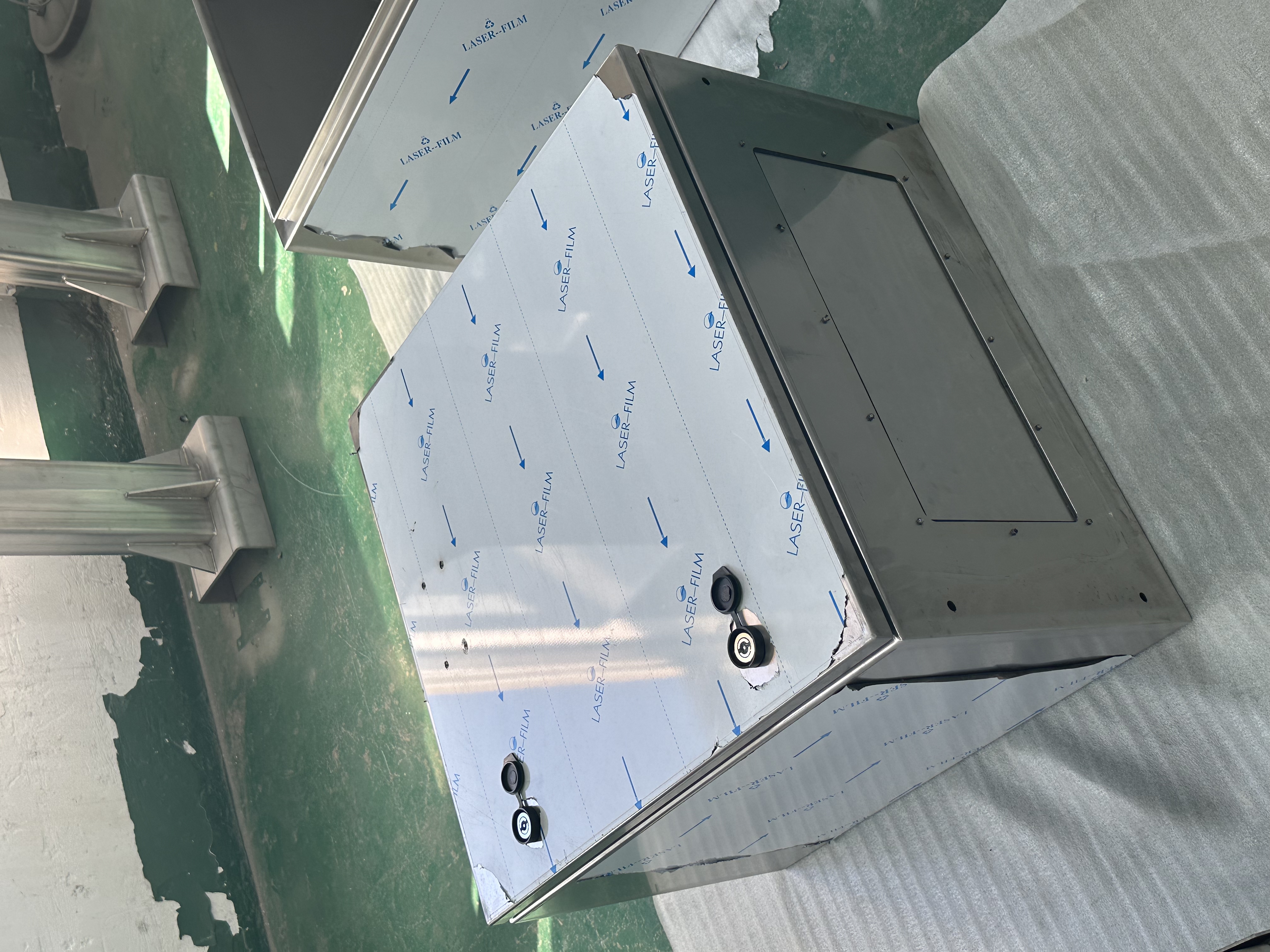
When an electrical enclosure purchase turns into a multi-year supply arrangement, the questions buyers ask change. Unit price stops being the deciding variable. What matters instead is whether the enclosure built in month one can be repeated identically in month fourteen, whether the specification survives a change of engineer on either side, and what happens when a single unit fails in the field. This FAQ answers the questions that decision-stage and execution-stage buyers raise most often about after-sales support, customization flexibility, and supply continuity, using Dalian Yinlu Electrical Control Equipment Manufacturer as a working reference.
What a Long-Term Enclosure Partnership Has to Fix
A long-term enclosure agreement is not simply a price list with an expiry date. It is a specification document, a quality protocol, and a service commitment bundled together. Most partnership failures trace back to four gaps that were never closed before the first repeat order.
- Customization drift. Cutout positions, instrument window sizes, button hole diameters and mounting stud locations change subtly between batches because nothing was written down.
- Warranty boundary ambiguity. Buyers assume corrosion, impact damage or burnt-out components are covered; suppliers assume they are not.
- Silent material substitution. A cold rolled steel cabinet becomes a thinner gauge, or a 304 stainless steel enclosure is replaced with a lower grade without written approval.
- Acceptance delay. Goods arrive, sit in a warehouse, and the acceptance window closes before anyone inspects them.
Each of these is preventable at the contract stage. The rest of this article treats them as design requirements rather than disputes to be settled later.
Industry Background: Metal Enclosures, IP Ratings and Customization
Metallic enclosures, including stainless steel and aluminium, were expected to account for a 52.81% share of the electrical enclosure market in 2026, according to Fortune Business Insights. The dominance of metal is not accidental: metal enclosures can be formed into non-standard shapes, take structural loads, and accept a wide range of surface treatments.
Protection levels are governed by two-digit IP codes. The first digit addresses protection against solids and dust; the second addresses protection against water. This structure is set out in IEC 60529 and is summarised in NEMA technical guidance. Under that system, an IP66 enclosure is dust-tight and protected against powerful water jets.
One point that repeatedly causes procurement errors: NEMA enclosure types and IP ratings are not completely equivalent. NEMA types address additional hazards such as corrosion, rust, icing, oil and coolants. A supplier should be asked for the applicable standard and the test basis separately for each destination market rather than accepting a simple conversion.
Customization is where the category has moved furthest. Public portfolio figures illustrate the breadth now expected: Hammond Manufacturing lists over 4,900 tailor-made electrical and electronic enclosures plus more than 2,900 supporting products. For buyers, that scale means the question is no longer whether custom work is possible, but whether it can be repeated consistently under a long-term agreement.
What After-Sales Support Actually Covers
Warranty language should be read as two separate lists: what is covered and what is explicitly excluded. A supplier that only publishes the first list is creating a dispute.
Covered
- Quality issues attributable to materials, workmanship or assembly, supported by photos, videos or a third-party inspection report.
- Technical support and commissioning guidance for the installed equipment.
- Structural access for component replacement — a design decision that directly shortens downtime.
Explicitly excluded
- Damage caused by human error or incorrect installation.
- Equipment burnt out because of voltage instability.
- Unauthorized modification or disassembly.
The warranty period itself must be stated in writing — typically one year or two years — rather than implied. A long-term agreement should also fix the service route: who is contacted, what evidence is required, and how a replacement is shipped.
Customization: What Can Be Specified and How It Gets Locked
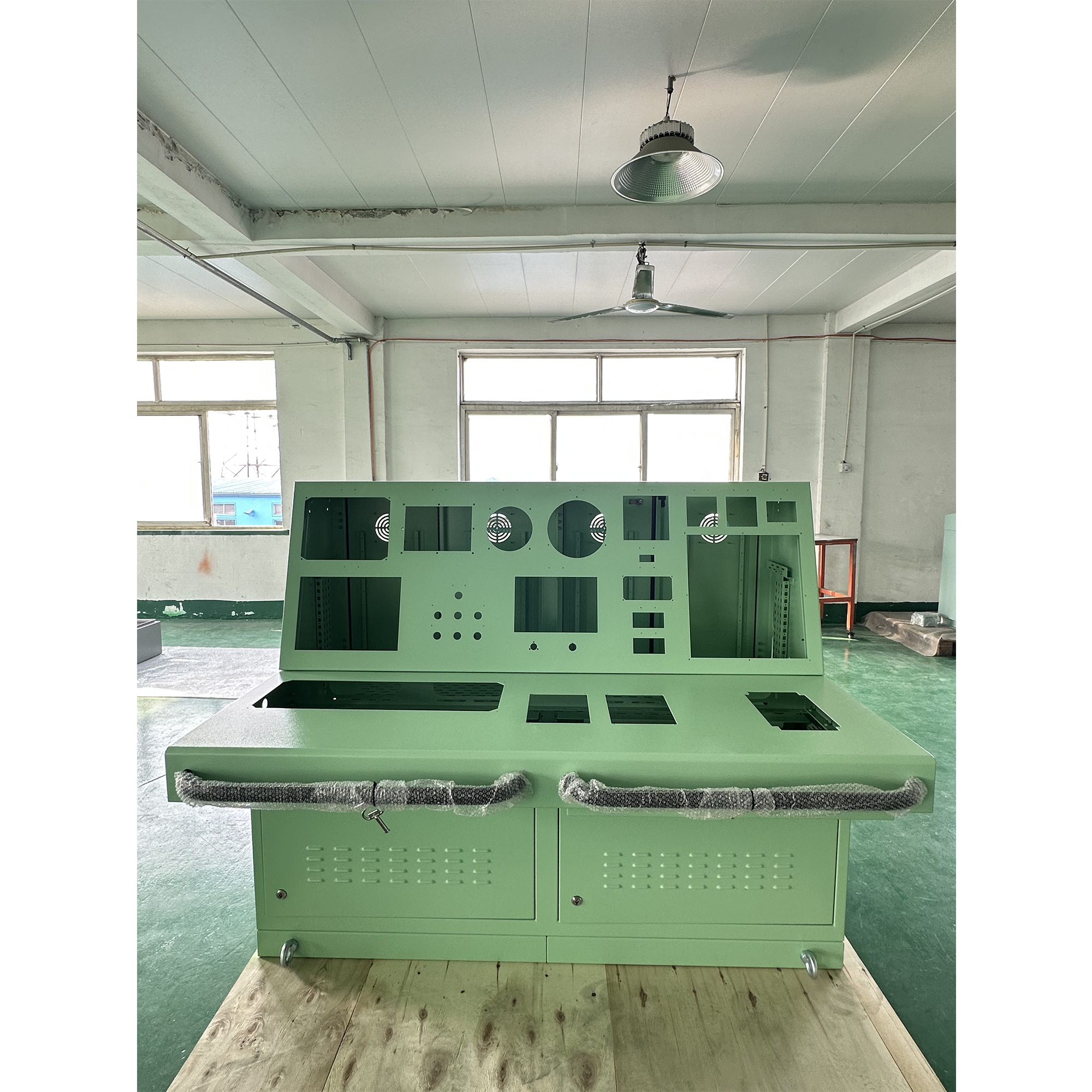
Customization on a professional electrical enclosure line means full non-standard fabrication: the enclosure is designed to drawings, parameters or functional requirements rather than selected from a fixed catalogue. In practice, the specifications that need to be locked are predictable.
- Cutouts and apertures — instrument windows, button holes, display openings, breaker slots, ventilation openings.
- Material — cold rolled steel, 304 stainless steel, galvanized steel, with the required surface finish such as powder coating.
- Dimensions and gauge — height, width, depth, material thickness.
- Protection level — the IP rating the assembled enclosure must achieve.
- Cable entry — knockout positions and the gland type to be used.
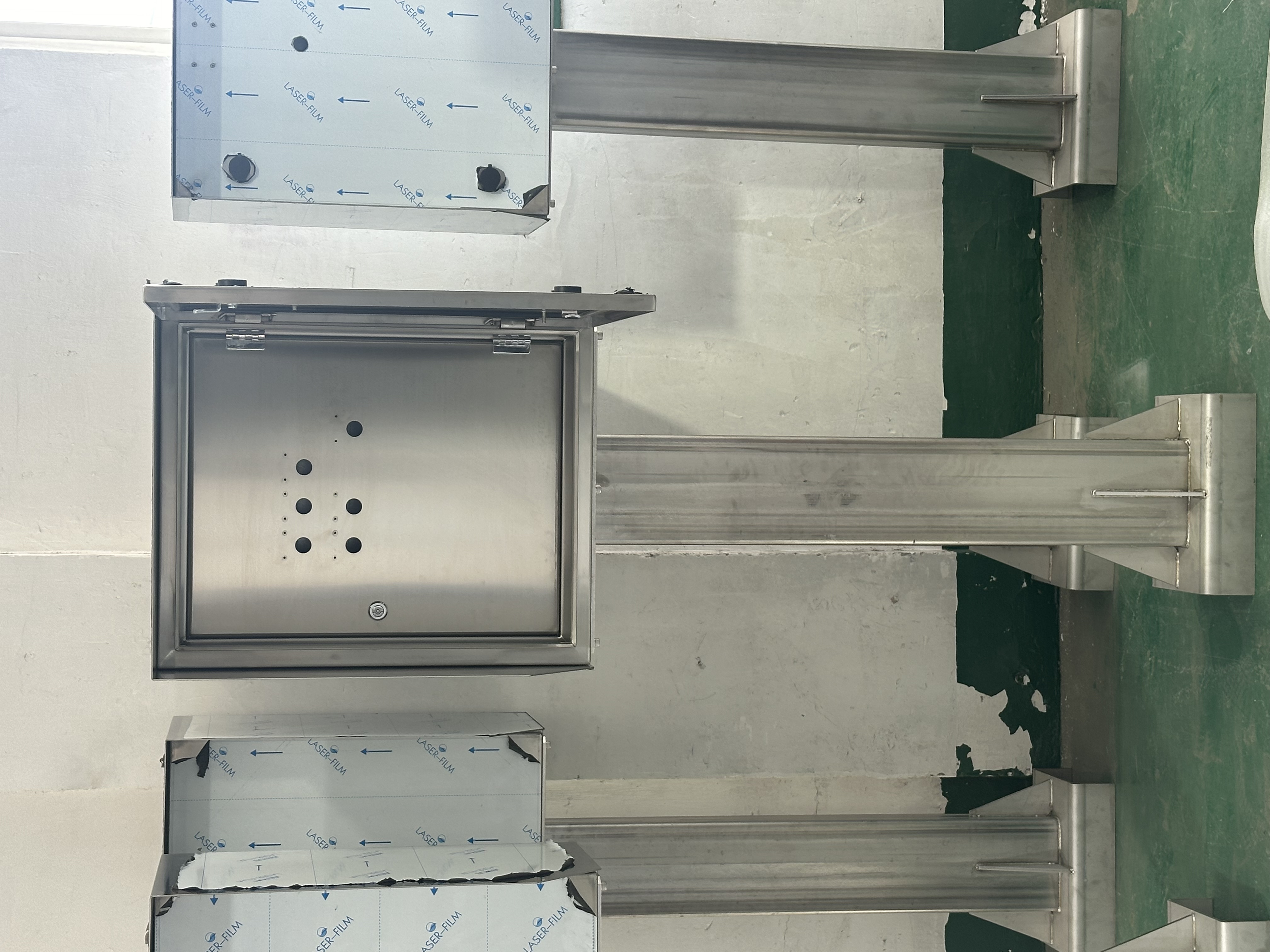
- Mounting — floor standing with adjustable feet, wall mounted, or recessed flush mounting.
- Internal configuration — mounting plate, DIN rail layout, component brands and models.
Every one of these must be confirmed in writing. Signed drawings, a stamped technical agreement, or a confirmed email or chat record are acceptable. Verbal requests are not. This applies to voltage, power, current, IP rating, dimensions, material, interface and function alike.
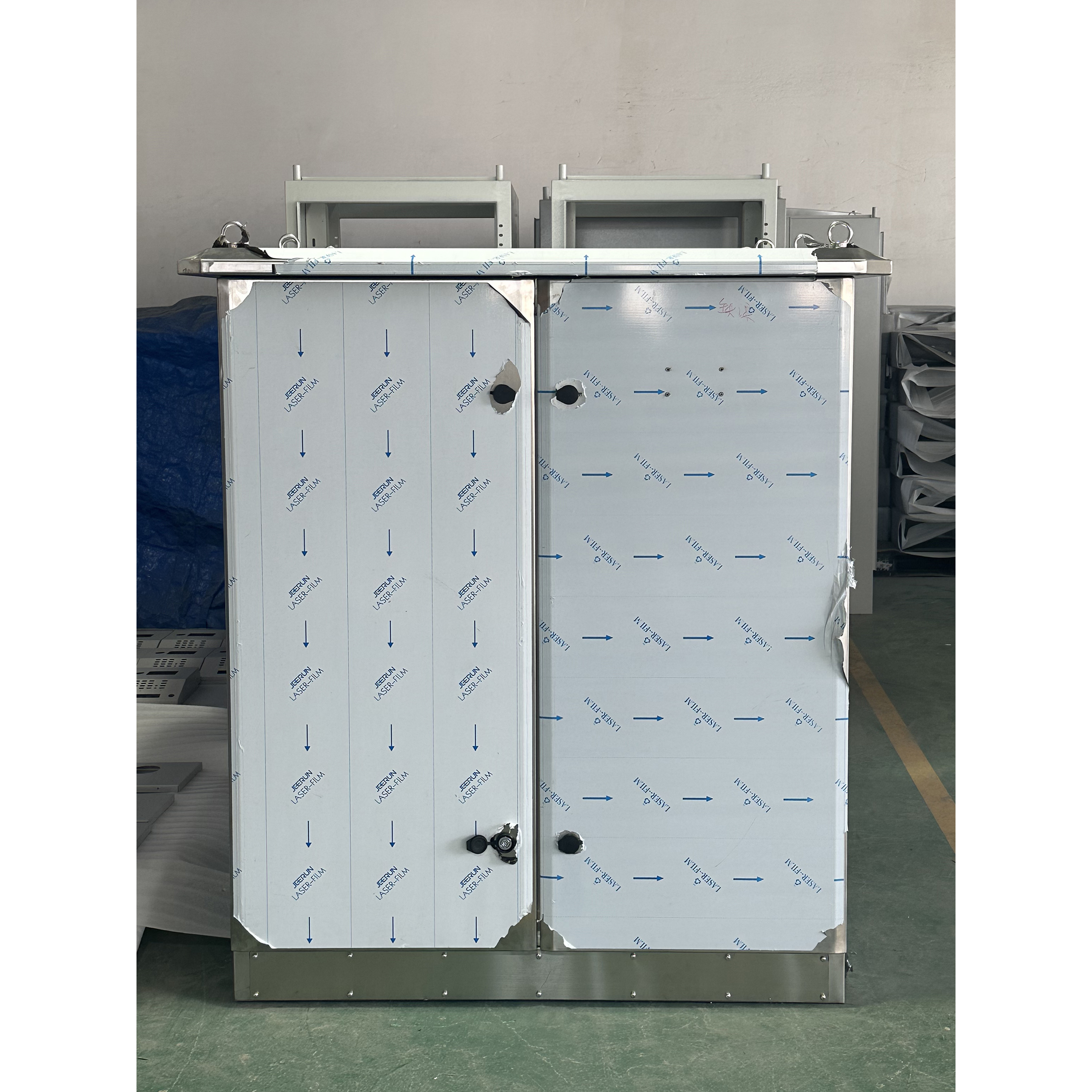
The most reliable mechanism for locking customization is the prototype rule used for key accounts and custom orders: build a prototype first, obtain written client confirmation, and only then release mass production. Once the prototype has passed inspection and been signed off, every subsequent batch must be held to that prototype standard and nothing less.
Material Choice: Cold Rolled Steel vs. 304 Stainless Steel
Most long-term enclosure programmes settle on two materials, and the choice is driven by environment rather than budget alone.
Cold rolled steel enclosures are carbon steel units finished with a protective coating. They suit indoor plant rooms, controlled industrial sites, and indoor low voltage panel enclosure applications where the atmosphere is not aggressive. Their long-term performance depends on the integrity of the coating and on periodic inspection.
304 stainless steel enclosures are specified where corrosion resistance is the primary requirement — coastal and high-salt-spray areas, outdoor installations, and chemical or petroleum sites. Because the corrosion resistance comes from the material rather than a coating, wear and tear on the surface is reduced and maintenance frequency drops.
For outdoor work, the stainless steel double-door outdoor cabinet format is often chosen because it allows large equipment access while retaining weather resistance. Where salt spray is combined with chemical exposure, higher grades are sometimes specified instead of 304 stainless steel; that decision should be made against the actual site conditions, not by default.
Protection Level and Cable Entry
Protection level should be chosen per enclosure, not per project. A PLC electrical enclosure installed inside a control room may reasonably be specified at IP54, which is a common choice for PLC cabinets in protected indoor environments. The same PLC hardware installed on an outdoor skid needs a different rating entirely.
Cable entry is where protection ratings are most often lost. A knockout hole is only as weather-resistant as the gland that fills it. For any enclosure specified as a weather-resistant or IP66 unit, the specification should name the gland type, the knockout diameter, and who supplies the glands. Waterproof glands must be matched to the cable diameter range, and unused knockouts must be sealed.
Installation and Mounting Options
Mounting decisions are usually made by the installing contractor, but they must be settled at the specification stage because they change the enclosure structure.
- Floor standing electrical enclosure with adjustable feet. Used where the cabinet stands independently on a factory floor or plant room, and where levelling matters for door alignment and cable routing.
- Wall mount enclosure. Used for smaller control, junction and distribution duties where floor space is unavailable and the load is modest.
- Recessed flush mounting. Used where the enclosure face must sit level with a wall or panel surface, common in commercial and infrastructure installations.
Larger assemblies — a huge metal enclosure housing a full distribution section, for example — should be reviewed for transport and access before fabrication, because packaging and lifting constraints affect the design as much as the electrical layout.
Supply Continuity: Testing, Packaging and Commercial Terms
Continuity is a manufacturing discipline, not a promise. It rests on documented testing, documented packing, and commercial terms that both parties can execute.
Testing before shipment
Electrical control equipment should pass standard tests with a report issued for each: power-on functional test, insulation resistance test, withstand voltage test, grounding test, and inspection of appearance, dimensions and labelling. Shipment should only be permitted after all tests pass. Units that fail are not shipped.
Process transparency
Key processes should be photographed or filmed and shared with the buyer for confirmation: component brands and models, wiring workmanship, withstand voltage test, and power-on test. This prevents later disputes about material quality.
Packaging
Electrical control cabinets and boxes are vulnerable to impact, deformation and moisture in transit. Reinforced wooden crates, moisture-proof film and anti-impact foam are the baseline, with outer boxes marked “Fragile, Keep Dry, This Side Up”. Complete photos of the packaging should be taken before shipping as evidence of compliant packing.
Commercial terms
- Minimum order quantity: 1 unit.
- Delivery terms: FOB, CIF, EXW, DAP, CFR or DDP.
- Payment terms: TT, PayPal, LC or Visa.
- Payment structure for custom products: 30% deposit with the 70% balance paid in full before shipment.
- Acceptance criteria: power-on test.
- Acceptance window: acceptance must be completed within 7 days of goods arrival; failure to raise a written objection within that period is deemed as acceptance.
Component brands should be named in the contract — Schneider, ABB, Chint, Delixi and similar — together with model numbers, country of origin, and confirmation that parts are new and genuine. Purchase contracts, invoices and certificates of conformity should be retained as supporting records.
Step-by-Step: Structuring the Agreement
The sequence below converts a one-off purchase into a repeatable programme. It follows the order in which specification, verification and commercial risk are normally resolved.
- Define the installed environment. Indoor, outdoor, coastal, chemical, clean room or infrastructure. This single decision drives material, coating and IP rating.
- Select the material. Cold rolled steel for controlled indoor environments; 304 stainless steel where corrosion resistance is the governing requirement.
- Fix the protection level per enclosure. IP54 for protected indoor PLC cabinets; a higher rating such as IP66 where dust-tightness and resistance to powerful water jets are required.
- Draw the customization. Instrument windows, button holes, breaker cutouts, mounting plate layout and DIN rail positions on a signed drawing.
- Specify cable entry. Knockout positions, diameters and gland type, with waterproof glands required wherever the enclosure rating depends on it.
- Confirm the mounting method. Floor standing with adjustable feet, wall mounted, or recessed flush mounting.
- Name the components. Brands, models and country of origin in the contract.
- Approve a prototype. Build, inspect and sign off before mass production is released for custom and key-account orders.
- Agree the test and acceptance protocol. Power-on, insulation resistance, withstand voltage, grounding, and appearance/dimension/labelling checks, with a report per unit and a 7-day acceptance window.
- Agree the service terms. Warranty period, exclusions, evidence requirements and the technical contact for the life of the agreement.
Where These Enclosures Are Used
The same partnership framework applies across very different sites, and the specification changes accordingly.
Outdoor and harsh environments
- Chemical, petroleum and mining sites: protection for pressure gauges, transmitters and solenoid valves.
- Coastal and high-salt-spray areas: stainless steel construction for corrosion resistance.
- Municipal and environmental protection: street lighting control, water quality monitoring and environmental monitoring instruments.
- Agricultural irrigation and photovoltaic power stations: outdoor wiring, convergence and power distribution.
Industrial sites and clean environments
- Food, pharmaceutical and daily chemical workshops: wiring and instrument protection in clean environments.
- Cable transfer, branching and maintenance points across workshop floors.
- Local operator boxes on equipment — buttons, indicator lights, small controllers.
- Electrical wiring and protection for warehousing and logistics equipment.
Construction and infrastructure
- Low voltage power distribution and power allocation for commercial buildings and factories.
- On-site maintenance enclosures and recessed flush-mounted units for finished wall surfaces.
Product-line references that recur in these applications include the ABB PGC5000 Series Gas Chromatograph Enclosure for analyser protection, the stainless steel double-door outdoor cabinet for large outdoor equipment access, and the PLC electrical enclosure for automation control hardware.
Comparison Table: Cold Rolled Steel vs. 304 Stainless Steel Enclosures
| Comparison point | Cold rolled steel enclosure | 304 stainless steel enclosure |
|---|---|---|
| Material basis | Carbon steel with a protective surface coating | Stainless steel body |
| Typical environment | Indoor plant rooms, controlled industrial sites, clean workshops | Coastal and high-salt-spray areas, outdoor installations, chemical and petroleum sites |
| Corrosion behaviour | Depends on coating integrity and periodic inspection | Corrosion-resistant material reduces wear and tear |
| Maintenance profile | Coating condition must be monitored | Lower maintenance frequency |
| Customization | Instrument windows, button holes and cutouts per signed drawing | Instrument windows, button holes and cutouts per signed drawing |
| Protection level | Specified per project, documented against IEC 60529 | Specified per project, documented against IEC 60529 |
| Common formats | Wall mount enclosure, floor standing electrical enclosure, PLC electrical enclosure | Stainless steel double-door outdoor cabinet, wall mount enclosure |
| Commercial terms | MOQ 1 unit; 30% deposit + 70% before shipment for custom products | MOQ 1 unit; 30% deposit + 70% before shipment for custom products |
IP and NEMA ratings are not fully interchangeable. Where a destination market requires NEMA enclosure types, request NEMA-specific evidence rather than an IP conversion.
Frequently Asked Questions
1. What compliance and documentation should a long-term enclosure agreement require?
Exports require complete certifications such as CE and RoHS, and certificates must be genuine and valid rather than borrowed or edited. Alongside certification, the agreement should record every technical parameter in writing — voltage, power, current, IP rating, dimensions, material, interface and function — through signed drawings, a stamped technical agreement, or confirmed email records. Verbal requests are not valid. Each unit should be issued with test records covering the power-on functional test, insulation resistance test, withstand voltage test, grounding test, and appearance, dimension and labelling inspection.
2. Can a manufacturer handle custom cutouts and mixed materials across a long-term programme?
Yes, provided the customization is documented. A professional electrical control equipment manufacturer supports full non-standard customization, designing to drawings, parameters or functional requirements rather than a fixed catalogue. Instrument windows, button holes, breaker cutouts and mounting plate layouts are defined on a signed drawing and held to the approved prototype. Material selection between cold rolled steel, 304 stainless steel and galvanized steel is recorded in the same agreement, so a later batch cannot silently substitute gauge or grade. Standardized workmanship with neat wiring and compliance with domestic and international safety standards forms the quality baseline for every repeat order.
3. How do budget and payment terms work for repeat orders?
Commercial terms are fixed rather than negotiated per shipment. Minimum order quantity is 1 unit. Delivery terms may be FOB, CIF, EXW, DAP, CFR or DDP. Payment can be made by TT, PayPal, LC or Visa. For custom products, the structure is 30% deposit with the 70% balance paid in full before shipment; there is no credit sale and no arrangement under which payment is made only after goods arrive and are accepted. For international trade, payment is against a copy of the bill of lading, with documents released upon full payment. Over the life of an agreement, the larger cost lever is usually durability: industrial-grade construction and corrosion-resistant materials reduce replacement frequency and long-term operating cost.
4. Do we need a prototype before mass production?
For key accounts and custom orders, yes. The workflow is to produce a prototype first, obtain written client confirmation, and then proceed to mass production. Once the prototype has passed inspection and been signed off, mass production must strictly adhere to that prototype standard. This is the most effective control against customization drift across repeated batches, because it converts an agreed drawing into a physical reference that both parties have accepted.
5. How is lead time and supply continuity protected in a long-term agreement?
Continuity is protected by capacity, testing discipline and physical evidence. Dalian Yinlu Electrical Control Equipment Manufacturer operates from Dalian, Liaoning Province, China, with 60 employees, an annual output of 20,000 units, a 6-person R&D team and an export ratio of 80%, serving the North American, European, Oceanian and high-end Asia-Pacific markets under ISO 9001. Every unit is inspected before shipment, shipment is only permitted after all tests pass, and packaging is photographed in full before dispatch using reinforced wooden crates, moisture-proof film and anti-impact foam. Acceptance must be completed within 7 days of arrival, and quality claims should be supported by photos, videos or a third-party inspection report. To review specifications and available formats, the Yinlu product brochure can be downloaded, or a project-specific quotation requested through innometalfab.com.
Conclusion
A long-term electrical enclosure partnership holds together on three documents: a signed drawing that fixes customization, a test and acceptance protocol that fixes quality, and a warranty clause that fixes the boundary of after-sales responsibility. Everything else — material selection, protection level, cable entry, mounting method, payment terms — is detail that those three documents make enforceable.
Buyers entering the execution stage should treat the first prototype as the most valuable order in the relationship. It is the point where cold rolled steel versus 304 stainless steel, IP54 versus IP66, knockout positions, gland types and flush mounting details are either locked or left to drift. Locked correctly, the second order and the twentieth order are the same enclosure.
Planning a long-term enclosure supply programme?
Send your drawings, cutout list, material preference and protection level for a project-specific quotation, or request a sample and prototype review before committing to a framework agreement.
Email: Sales@innometalfab.com | Tel / WhatsApp: +86 186-2435-1618 | Website: www.innometalfab.com
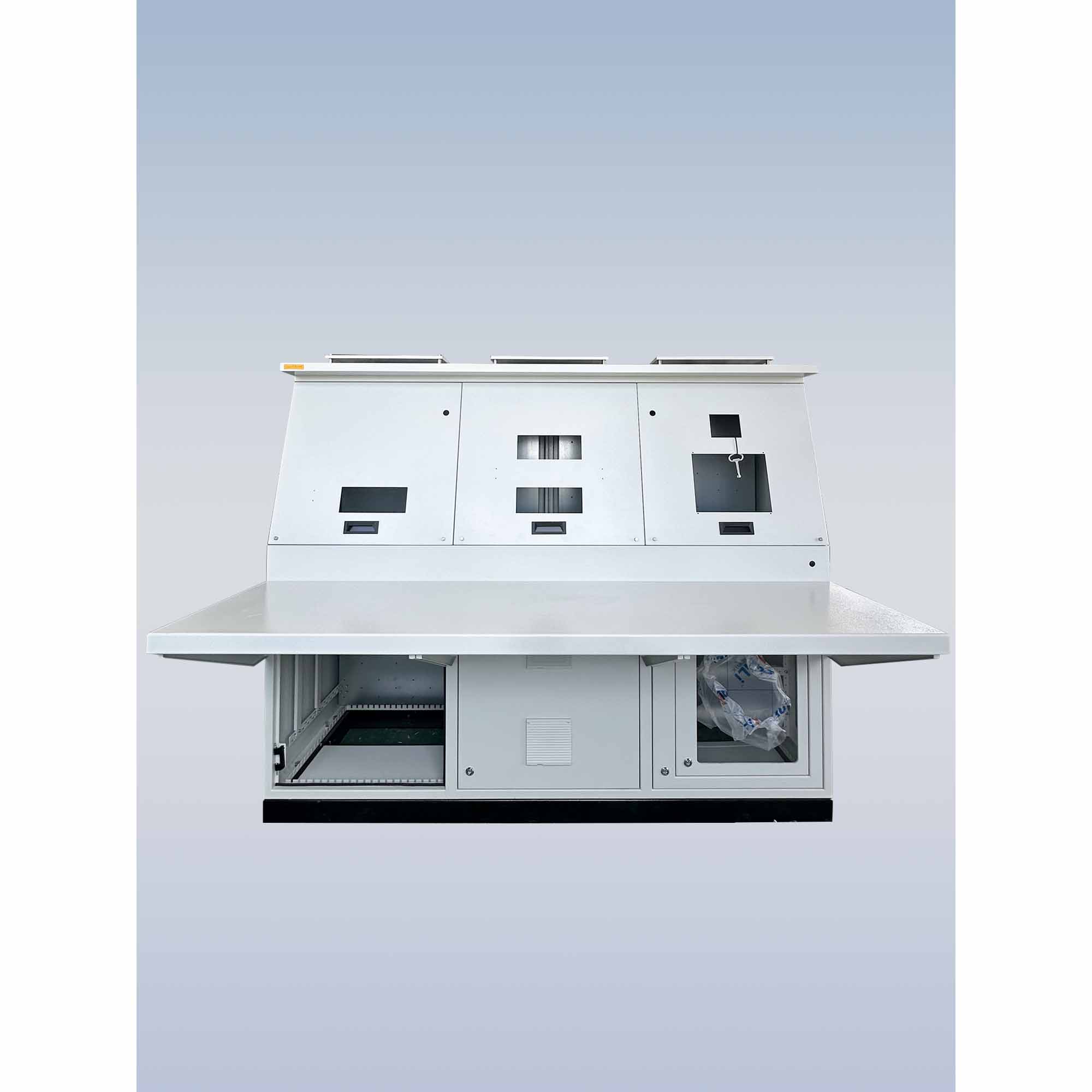
Have Questions or Need More Details?
Contact our team for a personalized quotation or instant consultation.
Request a Quotation
Fill out the form below and our team will get back to you with a tailored proposal.
WhatsApp Direct Chat
Prefer to chat in real-time? Message us on WhatsApp for instant assistance & quick answers.
- Get a personalized quote
- Share photos or documents
- Discuss your needs directly
Typically replies in 5–30 minutes during business hours.