
Wall-Mounted Electrical Control Box vs PLC Electrical Enclosure: Which Fits Factory Automation?
Both are cold rolled steel cabinets with a phosphated and powder-coated finish. The material is not what separates them. What separates them is where the cabinet mounts, what is installed inside it, and whether a technician can stand in front of it when a line goes down. A wall-mounted electrical control box fits a fixed, low-density control point that already sits against a wall or a machine frame. A PLC electrical enclosure fits the line-level position where the PLC, the industrial PC, the HMI screen and 19-inch network hardware have to live together in one serviceable place. Choosing by appearance instead of by installation geometry is the most common way this decision goes wrong.
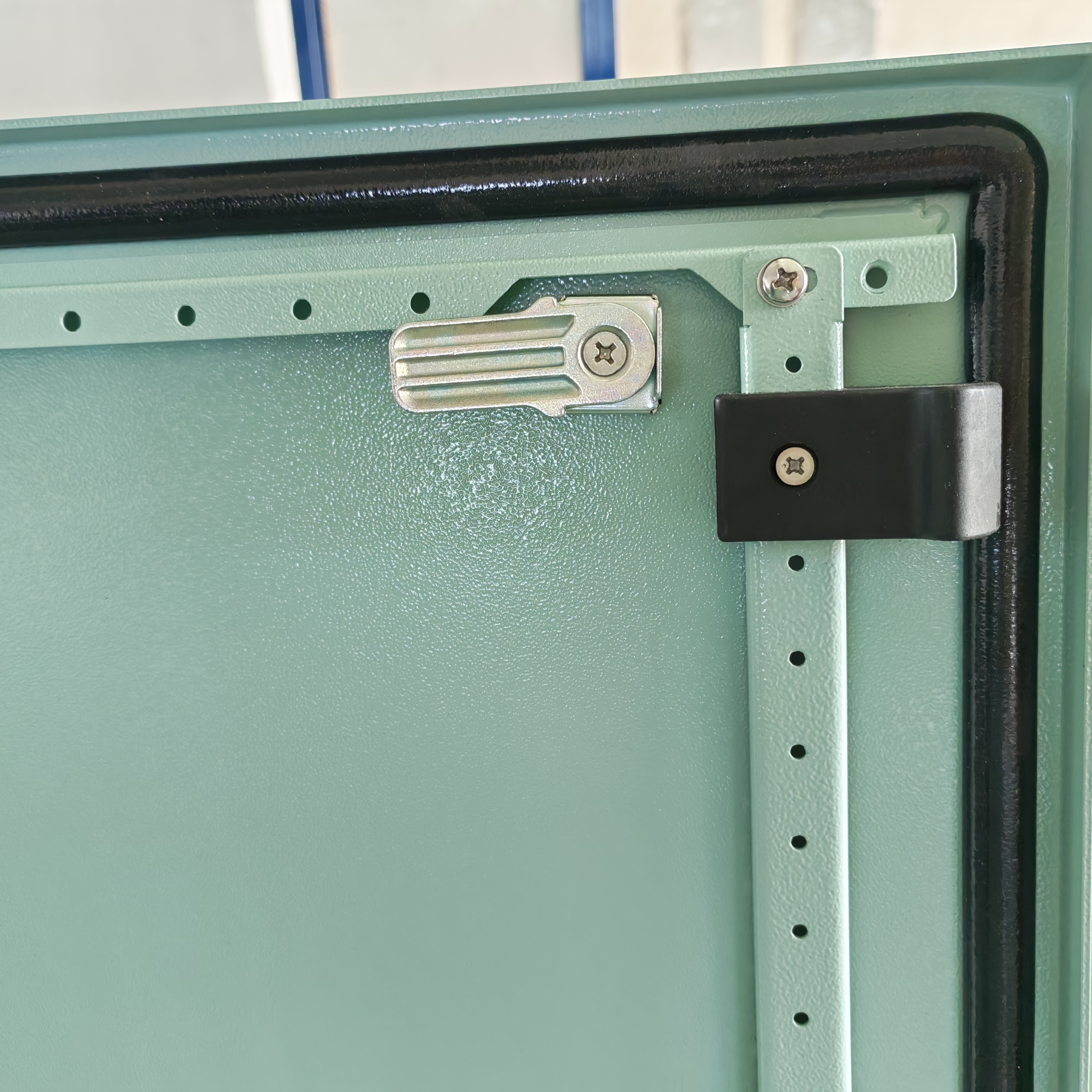
Problem Definition: Why These Two Cabinets Get Confused
At specification stage, both products are described in the same language. Both are described as an electrical enclosure. Both are cold rolled steel. Both are powder coated. Both carry an IP rating in the same numeric range. On a quotation sheet, a wall-mounted box and a floor-standing PLC cabinet can look like two sizes of the same item.
They are not. Three specific failures follow from treating them as interchangeable.
- Floor space taken for a control point that did not need it. A floor-standing enclosure placed where a wall-mounted box would have worked consumes walking space and material flow space on the shop floor, and requires a footprint decision that a wall installation never forces.
- Rack hardware that will not fit. A wall-mounted box with an internal mounting plate is not built around a 19-inch rack interface. When a project tries to install rack-mounted equipment, a HMI screen and an industrial PC inside a shallow wall box, the layout fails at the installation stage rather than at the drawing stage.
- Cable entry on the wrong face. Cable entry geometry is fixed by the shell, not by the installer. A wall-mounted box provides multi-size knockout holes at the bottom, left and right. A PLC electrical enclosure provides knockout holes at the bottom and back. Routing a cable tray to the wrong face means field drilling, which compromises both the powder coating and the sealing.
The correct question is therefore not "which cabinet is better" but "which installation interface does this control point have." Everything below is organized around that question.
Industry Background: A Factory Is Not Protected by One Cabinet
Factory automation is layered. At the field level, small control modules, terminal blocks, relays, circuit breakers and sensors are distributed close to the equipment they serve. At the line level, the PLC, the drive electronics, the network switch and the power modules are concentrated in one accessible location. At the operations level, HMI screens, industrial PCs and operator stations sit where people actually work. Above that sits supervisory data acquisition and remote maintenance.
Each layer has a different installation reality, and each layer therefore tends to resolve into a different enclosure format. Distributed field control tends to resolve into wall-mount or machine-side boxes. Line-level control and operator interface tend to resolve into floor-standing cabinets with an internal rack interface.
The same factory will usually also contain non-production electrical points: weak-current riser junction boxes in a building, and outdoor landscape lighting control cabinets around the site perimeter. These are not automation cabinets, but they draw on the same sheet metal and coating process, which is why enclosure sourcing is often consolidated across production and building scopes in one project.
What the IP Number Does and Does Not Tell You
IEC 60529 defines a classification system for the degrees of protection provided by enclosures of electrical equipment. IP ratings use two digits: the first digit addresses protection against solids or dust, and the second digit addresses protection against water.
Two practical consequences follow for a buyer comparing these cabinets.
- An IP54 declaration on a wall-mounted box and an IP54 declaration on a PLC enclosure describe the same ingress classification, but they say nothing about mounting method, internal volume, rack compatibility or service access. The rating is one attribute, not a specification.
- NEMA enclosure types address additional hazards beyond the IP system — including corrosion, rust, icing, oil and coolants — so NEMA types and IP ratings are not completely equivalent. If the destination market requires a NEMA type, it must be stated separately and cannot be derived from the IP number.
Detailed Solution: What Each Cabinet Actually Is
Option A — The Wall-Mounted Electrical Control Box
The wall-mounted electrical control box is a 1.5 mm cold rolled steel shell with a phosphating treatment followed by electrostatic powder coating. The standard material is cold rolled steel, and 304 stainless steel is customizable where the installation environment calls for it.
Its defining characteristic is the mounting interface. Installation is either recessed flush mounting, where the box is pre-embedded into the wall, or surface wall mounting, depending on the on-site wall structure. Sturdy mounting holes are provided at the bottom and back of the shell.
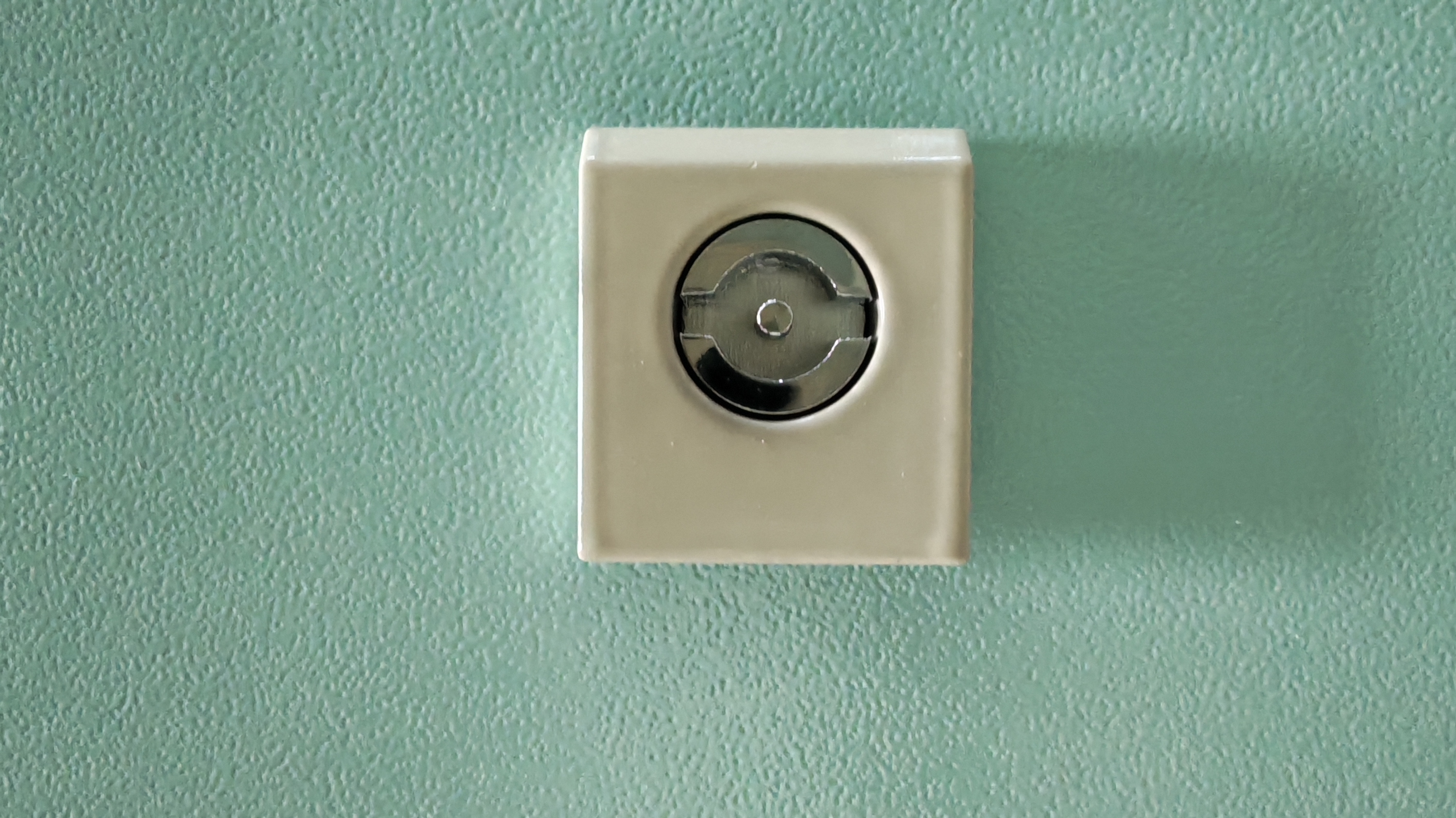
The door is a single-leaf design with a dedicated flat lock. The door frame is fitted with an EPDM rubber sealing strip to maintain sealing performance. Protection grade is IP54, with IP55 customizable.
Internally, the box uses an integrated mounting plate. Separate terminal and component installation areas are reserved inside the shell. DIN rails are usually not included and can be added according to the customer's component requirements. An internal grounding copper bar is provided.
Cable entry is handled through multi-size knockout holes provided at the bottom, left and right, compatible with power or control cables of different diameters. Waterproof cable connectors are available as an option.
The applications listed for this format are specific and worth reading literally:
- Rail transit and metro: station lighting power distribution, tunnel fan control, auxiliary control for Platform Screen Door systems, and protection cabinets for communication and signal equipment.
- Industrial and building: control cabinets for large factory equipment, weak-current riser junction boxes in buildings, and outdoor landscape lighting control cabinets.
Read that list and a pattern appears. These are distributed, single-purpose, wall-adjacent control points. Each one controls a defined load or a defined piece of equipment. None of them requires an operator to stand at the cabinet and interact with a screen for a full shift.
Where it stops being the right answer: the wall-mounted box has no caster or adjustable foot option, no observation window and no ventilation louver in its specification. Its internal depth is limited by the wall structure it is set into. It is not the format to choose when rack-mounted hardware, an industrial PC and an HMI screen must be co-located.
Option B — The PLC Electrical Enclosure
The PLC electrical enclosure is a 2.0 mm cold rolled steel shell with phosphating rust removal and electrostatic powder coating, finished in RAL7035. Protection grade is IP54.
Its defining characteristic is the floor-standing format. The cabinet is placed directly on the workshop floor and levelled using adjustable feet or casters at the bottom.
The door is a single-leaf design with a stainless steel handle lock, and the door frame carries an EPDM sealing strip. Some models feature a transparent observation window in tempered glass or PC panel, or a ventilation louver for heat dissipation.
The internal configuration is the real difference. The cabinet is built to be compatible with a 19-inch rack, an industrial PC, an HMI touch screen, a PLC, a switch, power modules, terminal blocks, DIN rails, and shelves or pallets. Some models are equipped with a top operation window for installing a display and keyboard.
Cable entry uses knockout holes at the bottom and back, configurable with waterproof cable glands for power and signal cable access.
The applications listed for this format are: factory automation production lines, intelligent equipment operation stations, shop floor data acquisition and monitoring (SCADA), and equipment remote operation and maintenance stations.
Again the pattern is consistent. These are locations where multiple systems converge, where a human interfaces with the machine, and where maintenance access is a routine activity rather than an occasional event.
Where it stops being the right answer: the cabinet requires floor area and a level base. The door needs an opening radius. It is a poor fit for a control point mounted high on a machine frame, or for a building riser where floor space is not available at all.

Step-by-Step Breakdown: How to Decide in Six Steps
The decision sequence below is ordered so that the earliest steps eliminate the most options. Working through it in order avoids the common situation where a cabinet is selected first and the installation is re-engineered around it afterwards.
Step 1 — List what goes inside before listing what the cabinet looks like
Write down every item: PLC, industrial PC, HMI touch screen, network switch, power module, terminal blocks, DIN rail components, shelves. If the list contains a 19-inch rack device, an industrial PC or a mounted HMI screen, the wall-mounted format is already out of scope and the PLC electrical enclosure is the candidate. If the list is terminal blocks, relays, circuit breakers, meters and small control modules, the wall-mounted box remains viable.
Step 2 — Fix the mounting interface
Determine whether a suitable wall surface exists at the control point, and whether the wall is solid enough for surface mounting or can accept a recessed flush installation. If neither is true — for example, a free-standing line position with no adjacent wall — the floor-standing PLC enclosure is the only one of the two that can be installed there.
Step 3 — Reserve the door opening radius and the operator position
Both cabinets use a single-leaf door with a lock. The wall-mounted box opens into the space in front of the wall; the PLC enclosure opens into the aisle. For the PLC enclosure, check that the aisle width allows the door to open fully and that the operator position in front of an HMI or top operation window is not also a forklift route.
Step 4 — Match the cable entry face to the actual tray route
Confirm where the cable tray or conduit actually arrives. The wall-mounted box provides knockout holes at the bottom, left and right. The PLC enclosure provides knockout holes at the bottom and back. If the tray arrives at a face with no knockout, the choice of cabinet is wrong for the layout, not the other way round.
Step 5 — Confirm the protection grade against the room, not the product brochure
The PLC enclosure is specified at IP54. The wall-mounted box is specified at IP54 with IP55 customizable. If the control point is an indoor workshop position, IP54 is the declared baseline for both. If the control point is an outdoor landscape lighting cabinet, the wall-mounted format is the one on the application list — and the material and protection grade should be raised at specification stage rather than after installation.
Step 6 — Set plate thickness and internal interface to match the load
The wall-mounted box uses 1.5 mm cold rolled steel with an integrated mounting plate and a reserved terminal area. The PLC enclosure uses 2.0 mm cold rolled steel with a rack-compatible interior. Where the internal load is a rack, a PC and multiple power modules, the 2.0 mm shell with a rack interface is the structurally coherent choice. Where the internal load is a terminal and component layout on a single plate, the 1.5 mm wall box is sufficient.
The most common real-world outcome
In a full automation project, the two cabinets are usually both correct — at different points in the same line. The PLC electrical enclosure sits at the line-level control and operator station. Wall-mounted boxes sit at the distributed field points, at the building riser, and at the outdoor lighting control positions. The procurement error is not choosing the wrong cabinet, it is choosing one cabinet type for the whole plant.
Use Cases: Which Cabinet Belongs Where
| Installation situation | Recommended format | Reason drawn from the specification |
|---|---|---|
| Factory automation production line, line-level control concentration | PLC electrical enclosure | Listed application; rack, industrial PC, HMI and PLC compatibility in one cabinet |
| Intelligent equipment operation station with screen and keyboard | PLC electrical enclosure | Top operation window option for display and keyboard; floor-standing with adjustable feet |
| Shop floor data acquisition and SCADA monitoring point | PLC electrical enclosure | Listed application; interior accommodates industrial PC, switch and power modules |
| Equipment remote operation and maintenance station | PLC electrical enclosure | Listed application; floor-standing access for routine maintenance |
| Control cabinet for large factory equipment, mounted at the machine | Wall-mounted electrical control box | Listed application; surface or recessed wall mounting with bottom and back mounting holes |
| Building weak-current riser junction box | Wall-mounted electrical control box | Listed application; integrated mounting plate, reserved terminal area, bottom/left/right knockouts |
| Outdoor landscape lighting control cabinet | Wall-mounted electrical control box | Listed application; 304 stainless steel customizable, IP55 customizable |
| Rail transit station lighting distribution or tunnel fan control | Wall-mounted electrical control box | Listed application; recessed or surface wall mounting suits station wall structures |
| Temporary or relocatable deployment on a shop floor | PLC electrical enclosure | Casters option at the bottom allows the cabinet itself to be moved |
Comparison Table: Wall-Mounted Electrical Control Box vs PLC Electrical Enclosure
| Attribute | Wall-Mounted Electrical Control Box | PLC Electrical Enclosure |
|---|---|---|
| Installation method | Recessed flush mounting (pre-embedded in wall) or surface wall mounting; sturdy mounting holes at bottom and back | Floor-mounted, placed directly on the workshop floor, levelled with adjustable feet or casters at the bottom |
| Material | Cold rolled steel; 304 stainless steel customizable | Cold rolled steel |
| Plate thickness | 1.5 mm | 2.0 mm |
| Surface treatment | Phosphating treatment plus electrostatic powder coating | Phosphating rust removal plus electrostatic powder coating; RAL7035 |
| Protection grade | IP54, IP55 customizable | IP54 |
| Door and lock | Single door with dedicated flat lock; EPDM rubber sealing strip on door frame | Single door with stainless steel handle lock; EPDM sealing strip; transparent observation window or ventilation louver on some models |
| Internal configuration | Integrated mounting plate; separate terminal and component installation areas; internal grounding copper bar; DIN rails usually not included, can be added | Compatible with 19-inch rack, industrial PC, HMI touch screen, PLC, switch, power module, terminal blocks, DIN rail, shelves or pallets; top operation window on some models |
| Cable entry | Multi-size knockout holes at bottom, left and right; waterproof cable connectors available | Knockout holes at bottom and back; waterproof cable glands configurable |
| Floor space requirement | None at the cabinet; wall or machine-frame surface required | Floor area required, plus door opening radius |
| Listed applications | Large factory equipment control cabinets; building weak-current riser junction boxes; outdoor landscape lighting control cabinets; rail transit and metro station lighting, tunnel fan control, PSD auxiliary control | Factory automation production lines; intelligent equipment operation stations; shop floor data acquisition and monitoring (SCADA); equipment remote operation and maintenance stations |
Neither column is a higher grade of product. The 2.0 mm shell and rack interior of the PLC enclosure would be unnecessary weight and depth at a building riser box. The 1.5 mm wall shell of the control box would be under-specified as the housing for a line-level station holding an industrial PC and an HMI screen.
Frequently Asked Questions
1. If both cabinets are rated IP54, can they be used interchangeably for compliance purposes?
No. Under IEC 60529, the IP code uses two digits — the first for protection against solids or dust, the second for protection against water — so an IP54 declaration describes the same ingress classification on both shells, and nothing more. The wall-mounted box carries IP54 with IP55 customizable; the PLC enclosure carries IP54. Compliance also depends on the mounting method and the destination market standard. NEMA enclosure types address additional hazards such as corrosion, rust, icing, oil and coolants, so NEMA types and IP ratings are not completely equivalent. If a NEMA type is required, state it separately rather than converting from the IP number.
2. Can a PLC electrical enclosure hold 19-inch rack equipment and a HMI screen at the same time?
Yes. The PLC electrical enclosure is built to be compatible with a 19-inch rack, an industrial PC, an HMI touch screen, a PLC, a switch, power modules, terminal blocks, DIN rails and shelves or pallets within the same interior. Some models add a top operation window for installing a display and keyboard, and some offer a transparent observation window in tempered glass or PC panel.
3. Which specification choices drive cost up when configuring either cabinet?
The cost-relevant variables are visible in the specification rather than in the price list. On the wall-mounted box these are the step from cold rolled steel to 304 stainless steel, and the step from IP54 to IP55. On the PLC enclosure these are the interior build-out — rack, shelves, observation window, ventilation louver, top operation window — and the choice between adjustable feet and casters. Across both, plate thickness and cabinet size set the material input. Buying decisions should be made against the room the cabinet sits in, because upgrading protection grade after installation is not a cost saving.
4. Can both formats be sampled before a production order?
Yes. Dalian Yinlu Electrical Control Equipment Manufacturer operates an OEM/ODM model with customization across material, color, logo, size, IP rating, surface treatment, cutouts and mounting. Minimum order quantity is 1 to 5 units, which allows a physical sample to be evaluated before volume commitment. Quality control covers visual inspection, wiring, function, safety, sealing and packaging, and monthly capacity is 2,000 units.
5. What is the lead time, and what support comes after delivery?
Lead time is negotiable and is confirmed against the configuration and quantity rather than quoted as a fixed number, with monthly production capacity of 2,000 units behind it. After-sales support is 7×24 hours online with a one-year warranty. To move a decision forward, send the internal equipment list, the mounting surface or floor layout, the cable entry face and the required protection grade to Sales@innometalfab.com and request a sample or quotation against that configuration.
Conclusion: Decide From the Installation, Not From the Catalogue
The wall-mounted electrical control box and the PLC electrical enclosure are not competing answers to the same question. They answer two different questions that appear in the same factory automation project.
Choose the PLC electrical enclosure when the cabinet is the line-level convergence point: a PLC, an industrial PC, a HMI screen, a network switch and power modules in one place, floor-standing on adjustable feet or casters, with 19-inch rack compatibility, a 2.0 mm cold rolled steel shell, IP54 protection, and a listed application set covering factory automation production lines, intelligent equipment operation stations, SCADA data acquisition and remote maintenance stations.
Choose the wall-mounted electrical control box when the control point is distributed and wall-adjacent: recessed or surface wall mounting, 1.5 mm cold rolled steel with 304 stainless steel customizable, IP54 with IP55 customizable, mounting holes at bottom and back, an integrated mounting plate with a reserved terminal area, and multi-size knockout holes at bottom, left and right. That is the format already specified for large factory equipment control cabinets, building weak-current riser junction boxes and outdoor landscape lighting control cabinets.
Work through the six steps in order — internal equipment list, mounting interface, door radius, cable entry face, protection grade, plate thickness — and the choice resolves itself before any drawing is issued. Most full-scale automation projects end up ordering both, at different points on the same line.
Request a Sample or Quotation
Dalian Yinlu Electrical Control Equipment Manufacturer produces metal enclosure customization across wall-mounted control boxes, PLC electrical enclosures, floor-standing cabinets, modular enclosures, stainless steel enclosures and outdoor weatherproof enclosures. The factory covers 5,000 m² with 60 employees, an annual output of 20,000 units and an export share of 80% across North America, Europe, Oceania and the high-end Asia-Pacific market.
Send your equipment list, mounting layout and required protection grade to Sales@innometalfab.com for a configuration-matched sample or quotation. Minimum order quantity is 1 to 5 units.
Website: www.innometalfab.com
Product catalogue (PDF): Download the Yinlu enclosure catalogue
Contact: Eric · Tel / WhatsApp +86 186-2435-1618

Have Questions or Need More Details?
Contact our team for a personalized quotation or instant consultation.
Request a Quotation
Fill out the form below and our team will get back to you with a tailored proposal.
WhatsApp Direct Chat
Prefer to chat in real-time? Message us on WhatsApp for instant assistance & quick answers.
- Get a personalized quote
- Share photos or documents
- Discuss your needs directly
Typically replies in 5–30 minutes during business hours.