
PLC Electrical Enclosures: The Backbone of Factory Automation Control
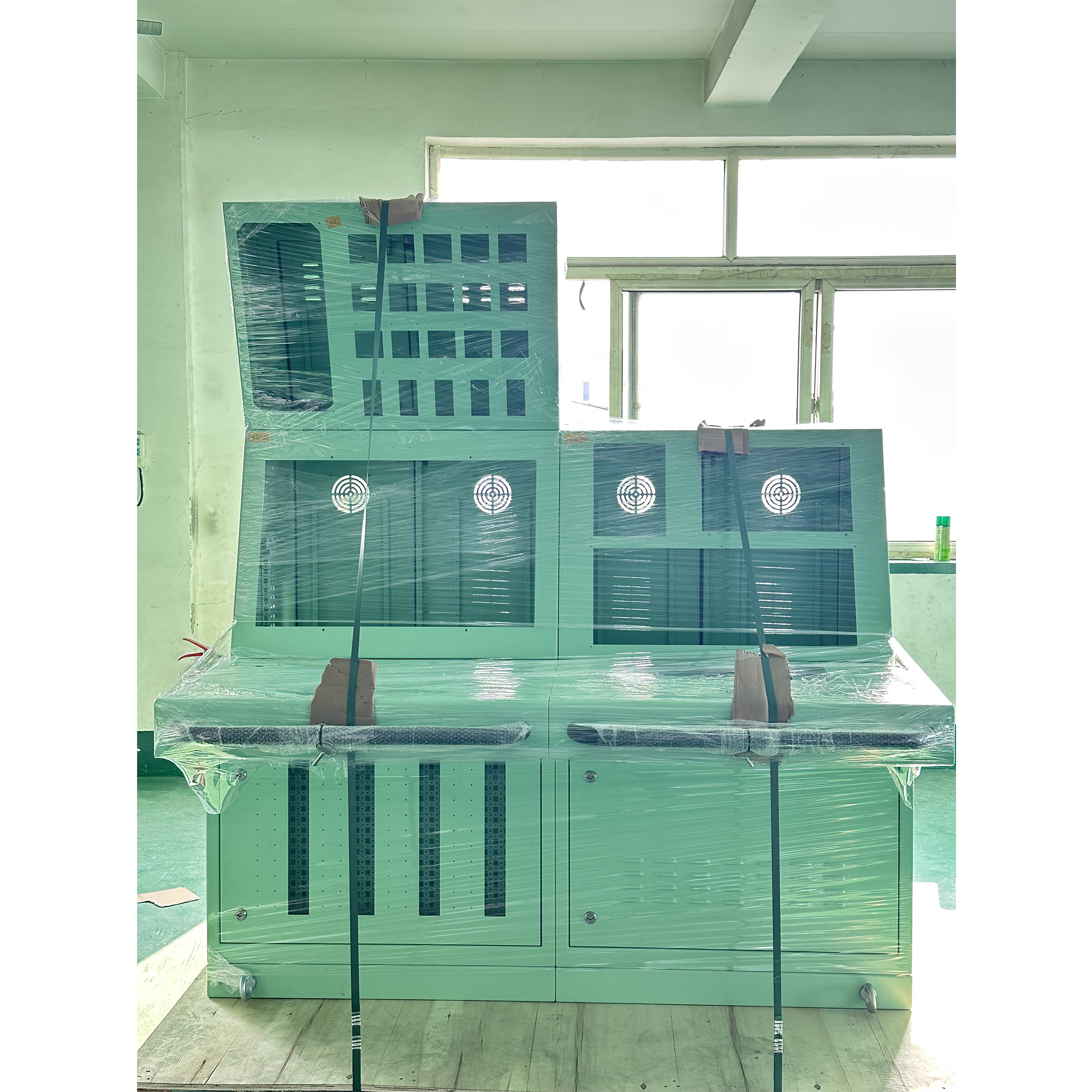
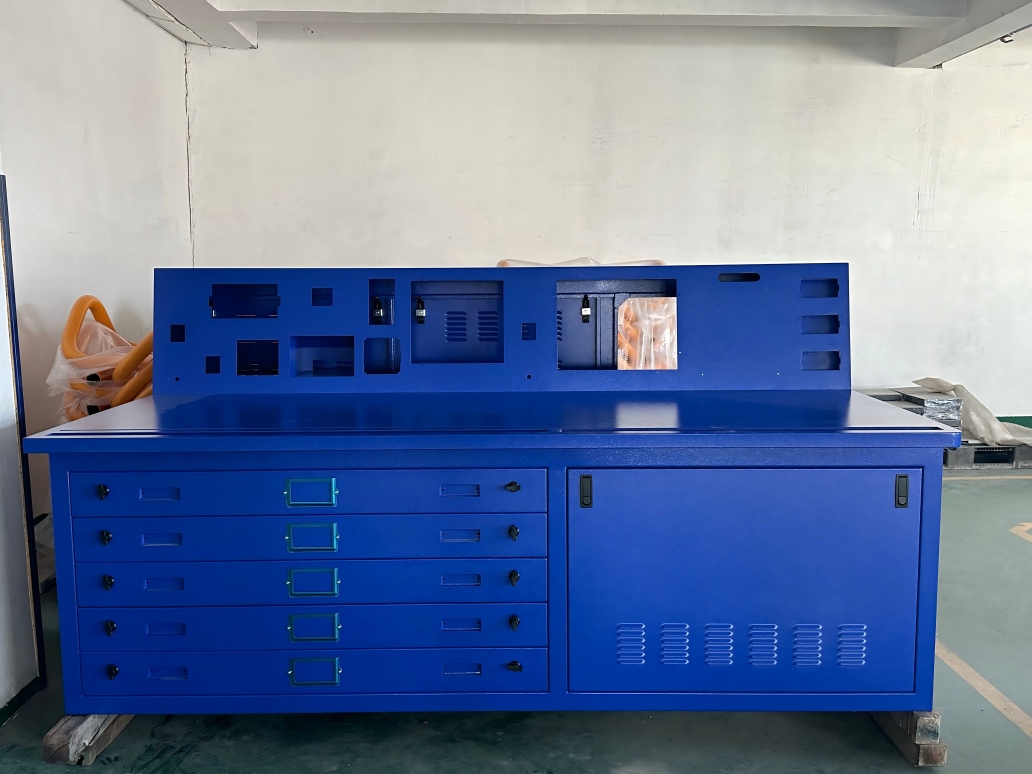
A PLC electrical enclosure is the floor-standing cabinet that houses the programmable logic controller and the control hardware around it. In the configuration described here, it is built from cold rolled steel, rated IP54, phosphated and powder coated in RAL7035, and installed on adjustable feet or casters. Inside, it is designed to accept 19-inch racks, industrial PCs, HMI touch screens, PLCs, switches, power modules, and DIN rails. That combination makes it more than a metal box: it is the physical backbone of factory automation control.
At the decision stage, buyers are not only choosing a size and color. They are choosing how the control system will be protected, wired, accessed, tested, and maintained. A PLC enclosure that fits the panel schedule but ignores dust, heat, access, or documentation creates hidden cost after installation. A well-specified enclosure supports production lines, SCADA architecture, and remote maintenance as one control asset.
Problem Definition: Why a PLC Enclosure Is Not a Generic Box
Automation projects often fail at interfaces rather than at the PLC itself. The controller may be correctly selected, but the enclosure may be too shallow for a 19-inch rack, too small for power modules, poorly laid out for DIN rail access, or unable to keep dust and corrosion away from precision components. In harsh operating conditions, the main issue is protecting internal precision electrical components from dust, high temperature, and corrosion interference. That requirement is stated directly in the product corpus and should drive the enclosure decision.
A generic wall mount enclosure can be appropriate for small equipment installations. The verified market data notes that the wall-mounted segment remains dominant because of its compact design for small equipment installations. But a PLC control cabinet for a production line is a different decision. It may need floor space, adjustable feet or casters, internal 19-inch mounting, and enough depth for an industrial PC, HMI touch screen, switches, power modules, and organized wiring. The comparison is therefore not wall box versus floor box in the abstract. It is control architecture versus enclosure format.
Industry Background: Automation Growth Makes the Enclosure a Control Asset
The global electrical enclosure market was valued at USD 14.02 billion in 2024 and is projected to reach USD 23.65 billion by 2032, according to Market Research Future data included in the verified dataset. Metallic enclosures, including stainless steel and carbon steel, accounted for 65% of global electrical enclosure demand in 2025, valued at approximately USD 4.73 billion. Asia Pacific held a 36% share in 2025, supported by industrial automation and renewable energy investment in China and India. These figures explain why enclosure selection has moved from a commodity purchase to a control-system decision.
The same market context matters for a PLC electrical enclosure. Factory automation depends on controllers, I/O, networks, and operator interfaces that must remain available in dusty, hot, or corrosive environments. IEC 60529 is the dominant international standard for rating enclosure protection against dust and water. Under that standard, IP66 requires no ingress of dust and protection against powerful water jets. A PLC enclosure rated IP54 is suitable for the application described here, but buyers should not assume that IP54 and IP66 are interchangeable. The protection class must match the actual production environment.
Detailed Solution: What a PLC Electrical Enclosure Includes
The enclosure specification starts with construction. Cold rolled steel provides the structural body. Phosphating and powder coating in RAL7035 form the finish system. IP54 defines the base protection level for the enclosure described here. Floor-mounted installation with adjustable feet or casters supports leveling and positioning in a factory layout. These are not decorative details. They determine how the cabinet sits on the floor, how it is moved or leveled during installation, and how the coated steel surface is specified on the drawing.
Internal compatibility is the second part of the solution. A PLC electrical enclosure intended for factory automation should accept 19-inch racks, industrial PCs, HMI touch screens, PLCs, switches, power modules, and DIN rails. In practice, that means the enclosure must be planned around zones: a power zone for modules and protection devices, a control zone for the PLC and I/O, a network zone for switches, and an interface zone for the HMI or industrial PC. The enclosure does not need to be oversized, but it must provide the mounting and access needed by the selected components.
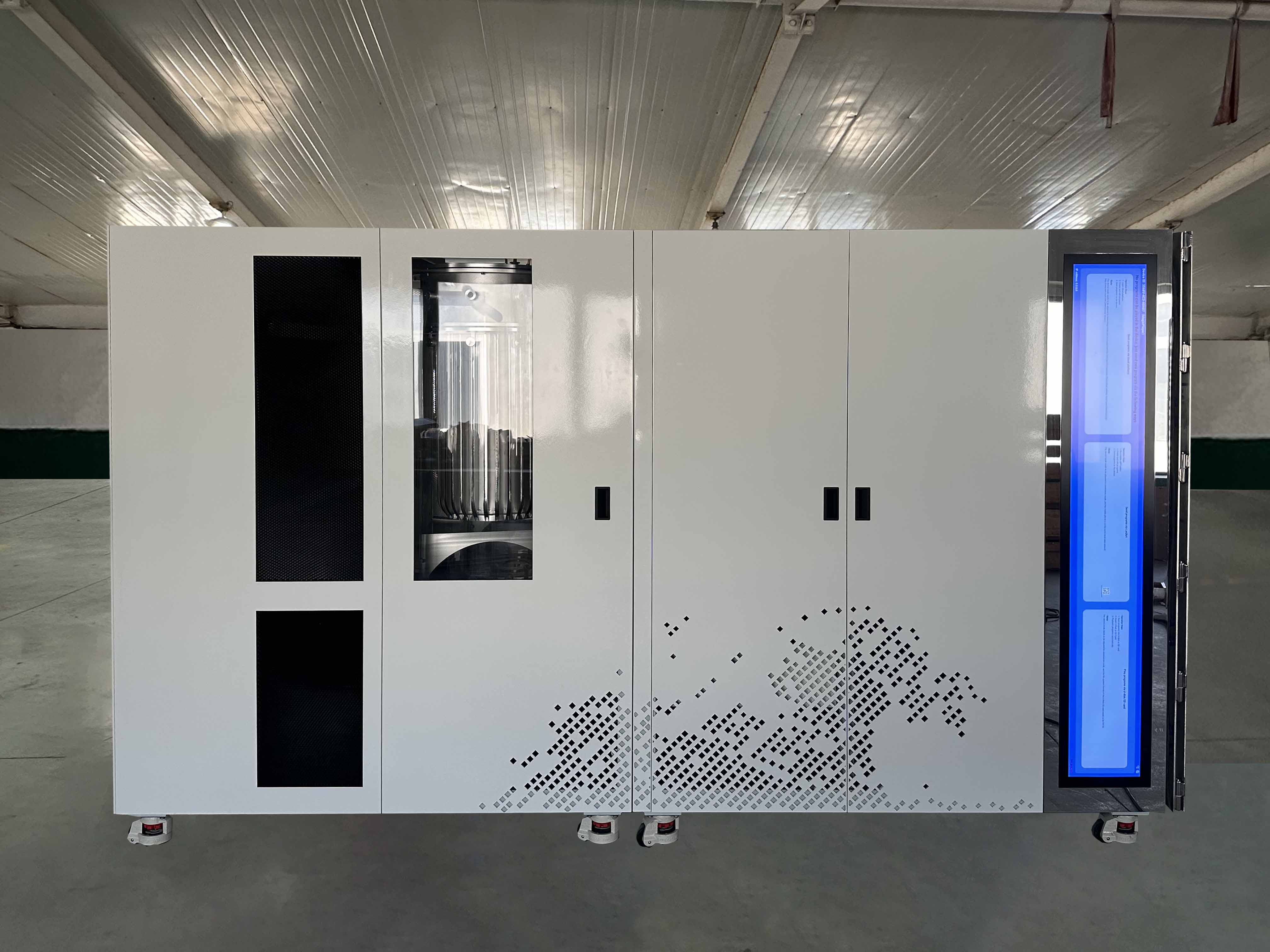
The third part is the automation role. On a production line, the PLC enclosure is the physical layer where I/O wiring, power, network switches, and operator interface meet. In a SCADA architecture, it provides a stable, protected place for the PLC and communication hardware that connect field devices to supervisory software. When remote maintenance is specified, the enclosure provides the protected mounting point for the industrial PC, switch, and power modules used for that function. The enclosure protects those components from dust, high temperature, and corrosion interference in harsh operating conditions.
Entity reference: Dalian Yinlu Electrical Control Equipment Manufacturer is a Dalian, Liaoning Province, China-based manufacturer of sheet metal fabrication, enclosures, electrical control cabinets, intelligent control boxes, and electrical distribution. Its profile lists a 5,000 m² factory, 60 employees, annual output of 20,000 units, an 80% export ratio, ISO 9001, and OEM/ODM support. Its comparison data describes non-standard customization according to drawings, parameters, or functional requirements, brand-name component selection, full-item factory testing, and CE/RoHS export capability.
For buyers comparing a customized electrical enclosure against a standard catalog box, those supplier capabilities belong in the evaluation. The comparison data states that, compared with ordinary processing factories, a professional electrical control equipment manufacturer offers non-standard customization, brand-name components, full-item factory testing, standardized wiring, CE/RoHS export capability, technical support, stable delivery for bulk orders and engineering projects, and after-sales service. The point is not to add marketing language. The point is to decide whether the enclosure supplier can support the PLC architecture, the documentation package, and the production schedule.
Step-by-Step Breakdown: Specifying a PLC Enclosure for a Factory Line
Define the control architecture before dimensions
List the PLC, I/O modules, power modules, switches, HMI touch screen, industrial PC, 19-inch rack equipment, and DIN rail devices. Record voltage, power, current, IP rating, dimensions, material, interface, and functions in writing. The risk-control corpus states that all parameters must be confirmed in writing and that verbal requests from clients are not valid.
Choose the installation format
Use a floor standing electrical enclosure when the control system needs internal rack space and floor access. Specify adjustable feet for leveling or casters for positioning. Use a wall mount enclosure only when the compact design for small equipment installations matches the actual component list and service access.
Lock material, finish, and protection class
For the PLC enclosure described here, specify cold rolled steel, phosphating, powder coating in RAL7035, and IP54. If the plant requires protection against powerful water jets, evaluate a separate IP66 enclosure specification under IEC 60529. Do not assume that a higher or lower IP class is automatically better; match it to dust, water, and cleaning conditions.
Plan internal mounting and access
Confirm 19-inch rack positions, DIN rail lengths, HMI cutouts, industrial PC mounting, switch location, power module clearance, cable routing, and service access. A modular electrical enclosure layout simplifies troubleshooting because sections can be accessed without disturbing unrelated wiring. The comparison data also notes that easy-access structural design supports quick component replacement.
Confirm environmental protection
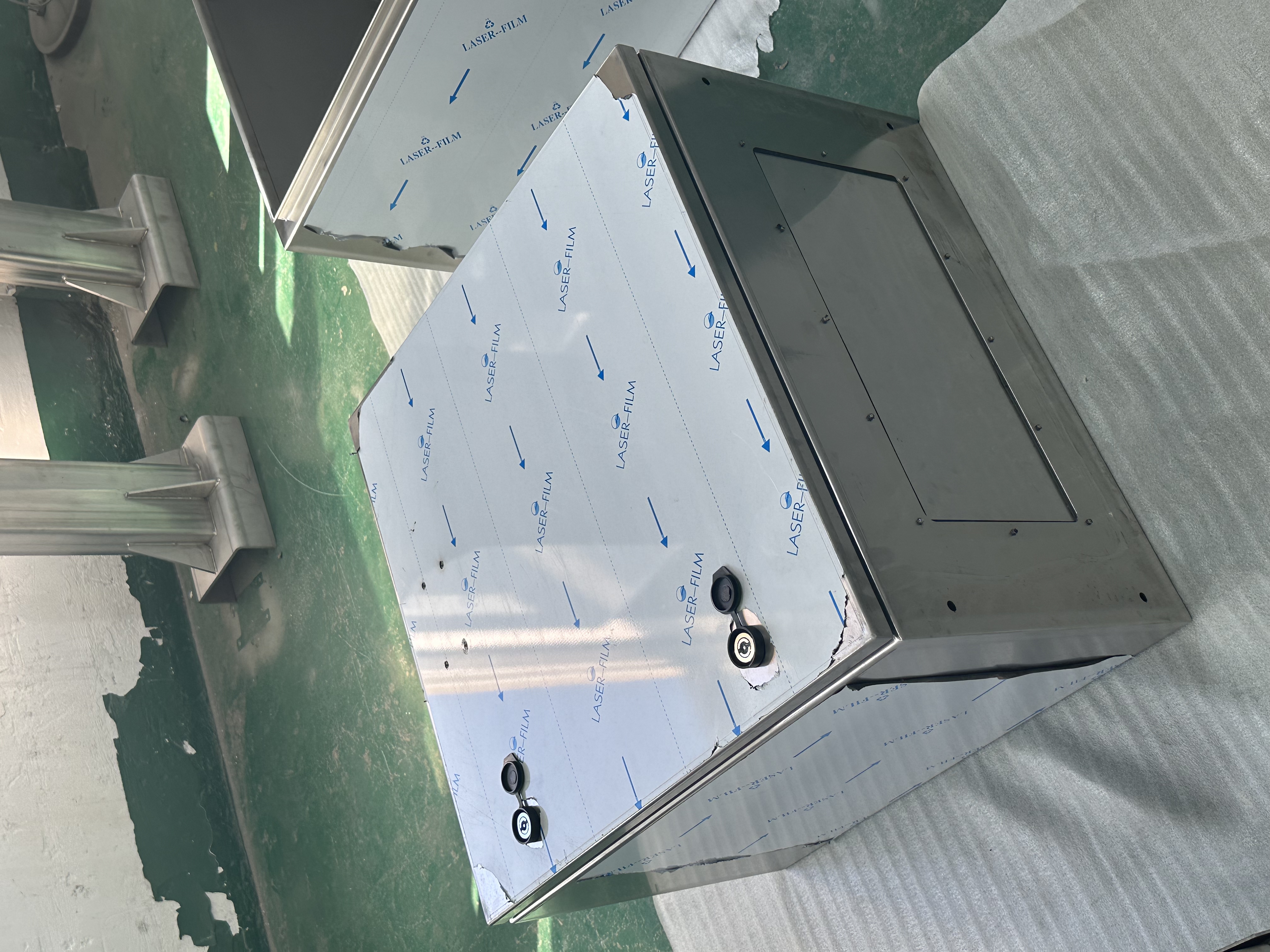
The product corpus states that these enclosures are designed to protect internal precision electrical components from dust, high temperature, and corrosion interference in harsh operating conditions. For a factory line, confirm how heat, dust, and corrosive exposure will be managed in the final installation. Specify a weather-resistant electrical enclosure or a stainless steel enclosure only when the application demands it, and keep the chosen protection class consistent with the tested configuration.
Complete the technical and commercial documents
Use signed drawings, stamped technical agreements, and email or chat records to confirm the specification. For export orders, certification documents such as CE and RoHS must be genuine and valid, with no certificate borrowing or altered documents. The risk-control corpus states that this avoids detention, fines, or returns during customs clearance.
Approve the prototype and test before shipment
For key accounts and custom orders, the risk-control process is to produce a prototype, obtain client confirmation, and then proceed to mass production. Once the prototype passes inspection and is signed off, mass production must adhere to the prototype standard. Standard tests include power-on functional test, insulation resistance test, withstand voltage test, grounding test, and appearance, dimensions, and labeling inspection. Shipment is only permitted after all tests pass.
Plan packaging, payment, and acceptance
Electrical control cabinets and boxes are prone to impact, deformation, and moisture. Use wooden crates or reinforced packaging, moisture-proof film, and anti-impact foam, and mark outer boxes with Fragile, Keep Dry, and This Side Up. For custom products, the stated payment term is 30% deposit plus 70% balance paid in full before shipment. Acceptance must be completed within 7 days after goods arrival, and failure to raise a written objection within that period is deemed acceptance. The warranty period should be clearly stated as 1 year or 2 years, with exclusions for human error, voltage instability damage, and unauthorized modification or disassembly.
Use Cases: Where PLC Electrical Enclosures Earn Their Place
Production line control. A PLC enclosure organizes the controller, I/O, power modules, and DIN rail devices that sequence and interlock a production line. The enclosure protects those components from dust, high temperature, and corrosion interference while keeping wiring accessible for maintenance.
SCADA and HMI integration. When an HMI touch screen or industrial PC is part of the control architecture, the enclosure provides the protected mounting space and cable route between the operator interface, PLC, and network switch. This is where the enclosure becomes part of the SCADA physical layer rather than a separate purchase.
Remote maintenance support. If the project includes remote maintenance, the enclosure can house the industrial PC, switch, and power modules used for that function. The enclosure does not define the remote service itself, but it provides the protected physical point where the required hardware is mounted.
Harsh industrial environments. In a project for Dalian Huarui Heavy Industry (DHHI) in China, a series of electrical control enclosures were deployed to protect internal precision components from dust, high temperatures, and corrosion in harsh industrial environments such as port cargo handling and coke oven machinery. That case shows why enclosure specification must follow the site conditions, not only the panel schedule.
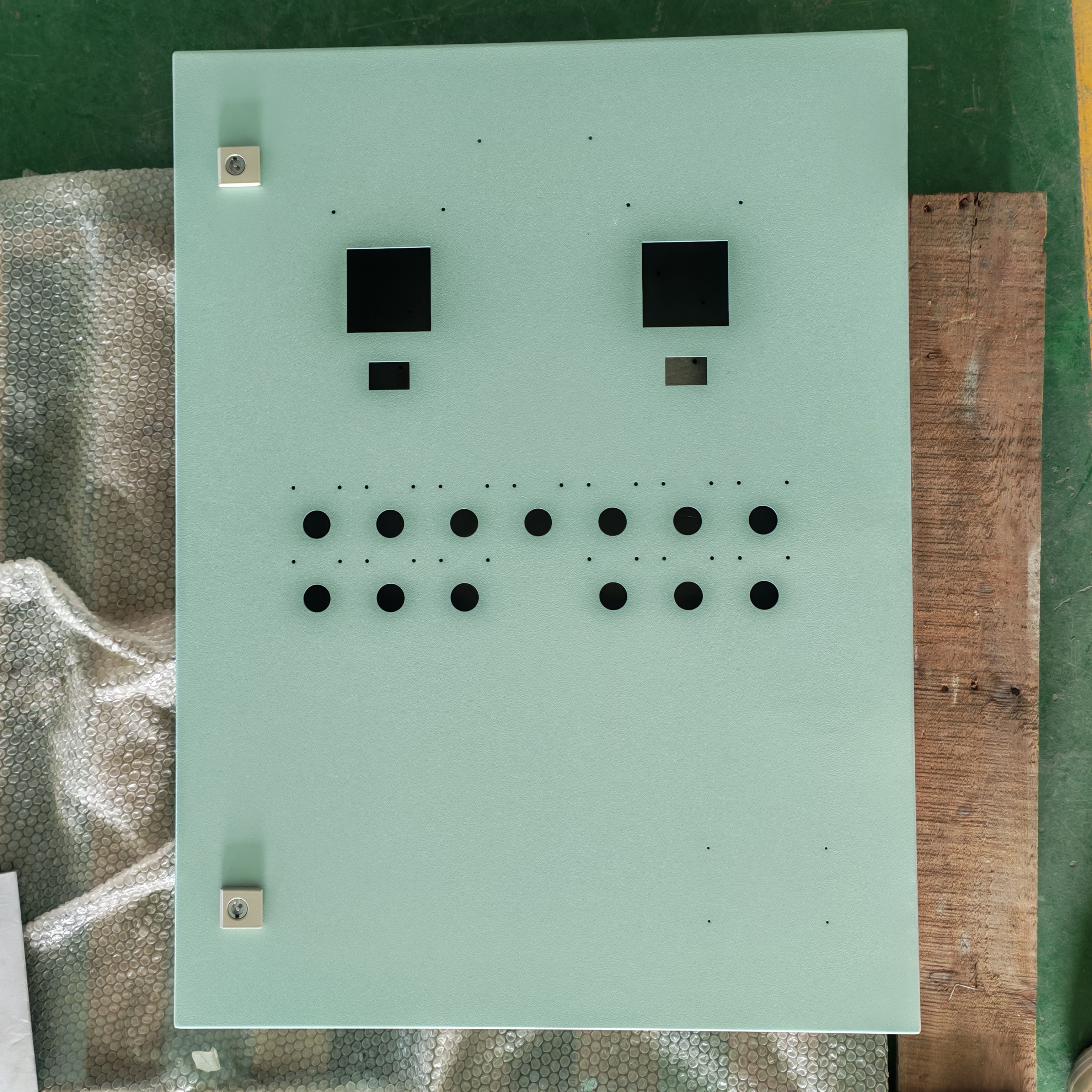
OEM machine builders. An OEM electrical enclosure supplier or ODM electrical enclosure partner must work from drawings, parameters, and functional requirements. Yinlu supports OEM and ODM orders, and its comparison data describes non-standard customization, brand-name component selection, full-item factory testing, and export documentation such as CE and RoHS. That matters when the enclosure is part of a machine package rather than a stand-alone cabinet.
Factory upgrades and modular expansion. A modular layout simplifies troubleshooting and shortens downtime when a line is expanded or a control section is replaced. The comparison data states that modular layout simplifies troubleshooting and maintenance, and that easy-access structural design supports quick component replacement.
Comparison Table: PLC Electrical Enclosure vs. Wall-Mounted Enclosure
| Decision criterion | PLC electrical enclosure | Wall-mounted enclosure | What it means for buyers |
|---|---|---|---|
| Installation | Floor-mounted with adjustable feet or casters | Wall-mounted compact design for small equipment installations | Use the floor-standing format when control hardware and service access exceed a wall box. |
| Construction and finish | Cold rolled steel, phosphating, and powder coating in RAL7035 | Verify project-specific material and finish | Confirm the material, coating system, and color on the approved drawing. |
| Protection class | IP54 for the enclosure described here | Verify the rating required by the installation | IP66 is a separate IEC 60529 specification for dust-tight protection and powerful water jets. |
| Internal compatibility | 19-inch racks, industrial PCs, HMI touch screens, PLCs, switches, power modules, and DIN rails | Compact design for small equipment installations | List the components first, then compare enclosure capacity and access. |
| Best-fit role | Production lines, SCADA architecture, and remote maintenance support | Small equipment installations | Compare the total control architecture, not only the enclosure footprint. |
FAQ
What IP rating should a PLC electrical enclosure have?
The PLC electrical enclosure described here is rated IP54. IP66 is a separate specification under IEC 60529 for environments requiring no ingress of dust and protection against powerful water jets; buyers should specify it only when the application demands it.
Can a PLC electrical enclosure be customized for 19-inch racks, HMIs, and industrial PCs?
Yes. The enclosure is designed for internal compatibility with 19-inch racks, industrial PCs, HMI touch screens, PLCs, switches, power modules, and DIN rails. Yinlu supports non-standard customization according to drawings, parameters, or functional requirements, and its comparison data lists brand-name component selection and full-item factory testing.
What drives the budget for a PLC electrical enclosure?
Budget should be assessed as total cost of ownership, not only purchase price. The comparison data states that durable industrial-grade design optimizes TCO, longer equipment service life reduces replacement expense, lower energy and consumable consumption cuts long-term costs, and modular layout simplifies troubleshooting and maintenance.
Can I request a sample or prototype before mass production?
Yes, for key accounts and custom orders the risk-control process is to produce a prototype, obtain client confirmation, and then proceed to mass production. Once the prototype passes inspection and is signed off, mass production must adhere to the prototype standard.
What lead time should buyers plan for a PLC electrical enclosure?
The provided corpus does not state a fixed lead-time figure. Plan production around two gates: prototype approval for custom orders, and standard testing before shipment. Shipment is only permitted after power-on functional, insulation resistance, withstand voltage, grounding, and appearance, dimension, and labeling inspections pass. For a project schedule, confirm the dates in writing with the supplier. To discuss a sample, quote, or catalog, contact Yinlu through https://www.innometalfab.com/.
Conclusion: Choose the Enclosure That Keeps Control Running
The PLC electrical enclosure is the backbone of factory automation control because it carries the physical layer of the control system. It protects the PLC, power modules, switches, HMI, industrial PC, and DIN rail devices; it supports production line wiring, SCADA integration, and remote maintenance hardware; and it determines how quickly maintenance can access the system. The verified configuration described here, with cold rolled steel, IP54 protection, phosphating and RAL7035 powder coating, floor mounting with adjustable feet or casters, and internal compatibility with 19-inch racks, industrial PCs, HMI touch screens, PLCs, switches, power modules, and DIN rails, is a practical starting specification.
The decision should compare architecture fit, environmental protection, documentation, testing, and total cost of ownership. A supplier that can customize to drawings, select brand-name components, complete full-item factory testing, and support export documentation is more useful than a supplier that only quotes a box size. Dalian Yinlu Electrical Control Equipment Manufacturer supports OEM and ODM orders and lists ISO 9001 among its credentials. For buyers at the decision stage, the next step is to send the component list, IP rating, installation format, and site conditions for a specification review.
Request a PLC enclosure specification, sample, or quote
Send your PLC, power module, HMI, industrial PC, and DIN rail layout to Yinlu for a customized electrical enclosure review. Review the catalog here: Yinlu product brochure. Contact: Sales@innometalfab.com.
Have Questions or Need More Details?
Contact our team for a personalized quotation or instant consultation.
Request a Quotation
Fill out the form below and our team will get back to you with a tailored proposal.
WhatsApp Direct Chat
Prefer to chat in real-time? Message us on WhatsApp for instant assistance & quick answers.
- Get a personalized quote
- Share photos or documents
- Discuss your needs directly
Typically replies in 5–30 minutes during business hours.