
How to Match Electrical Enclosures to Project Scenarios
An electrical enclosure is the protective housing and structural carrier for electrical, electronic, and automation equipment such as PLCs, drives, instruments, terminal blocks, and power distribution components. For procurement teams and project engineers, the core question is not “which enclosure is the best” but “which enclosure fits this project scenario.” This guide provides a scenario-based method for matching electrical enclosures to real-world project conditions — outdoor exposure, industrial contamination, corrosion risk, mounting constraints, and customization needs — using the product lines and OEM/ODM engineering experience of Yinlu (Dalian Yinlu Electrical Control Equipment Manufacturer), a metal enclosure and electrical control cabinet manufacturer based in Dalian, Liaoning Province, China.
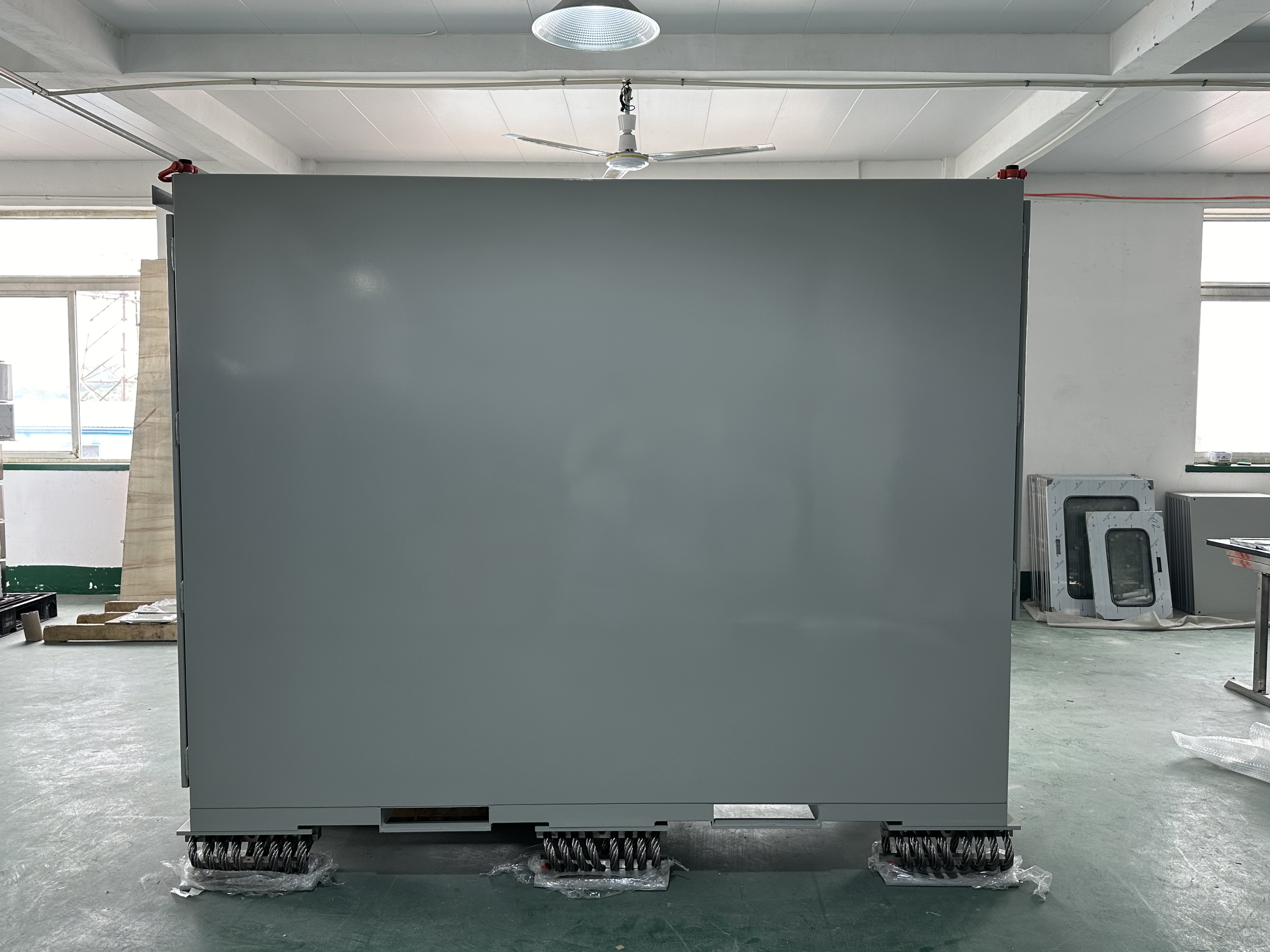
What Makes Electrical Enclosure Selection a Project Problem
Industrial buyers lose time and money when an enclosure is selected from a catalog without checking the site scenario. An enclosure is a passive protective structure; it only provides physical protection for internal devices and operates synchronously with internal equipment. Because the enclosure has no active mechanisms of its own, its suitability is determined entirely by the environment, the internal component layout, and the mounting conditions.
The most common mismatches are: choosing an indoor-rated IP54 box for an outdoor installation; choosing powder-coated carbon steel where salt spray or acid-base corrosion is present; choosing a floor-standing cabinet when the site requires wall mounting; and ordering a standard size when the internal control system requires custom cutouts for instruments, buttons, and cable entries. These mismatches produce predictable failure modes: dust ingress into switchgear, condensation inside sealed cabinets, corrosion of mounting plates and door seals, overheating from blocked ventilation, and safety issues from inadequate door locking. The failure is rarely in the enclosure itself; it is in the matching step.
Industry Context: The Demand for Scenario-Matched Enclosures
The electrical enclosure market is growing, and scenario adaptability is becoming a procurement requirement. The global electrical enclosure market was valued at USD 14.02 billion in 2024 and is projected to reach USD 23.65 billion by 2032, according to Market Research Future. Metallic enclosures, including stainless steel and carbon steel, accounted for 65% of global electrical enclosure demand in 2025, valued at approximately USD 4.73 billion, according to Custom Market Insights. Asia Pacific dominated the market in 2025 with a 36% share, fueled by industrial automation and renewable energy investments in China and India, according to IMARC Group.
At the specification level, IEC 60529 (IP Code) is the dominant international standard for rating electrical enclosure protection against dust and water; for outdoor projects, IP66 is a frequently cited target because it requires no ingress of dust and protection against powerful water jets. The wall-mounted enclosure segment is expected to maintain market dominance through 2035 due to its compact design for small equipment installations, according to Precedence Research.
Buyers should also note that market-size estimates vary by inclusion criteria: published 2025 figures range from approximately USD 7.83 billion to USD 55.15 billion depending on whether large-scale switchgear infrastructure is counted. In this context, verified project-level technical specifications and OEM/ODM capability are more actionable than aggregate market rankings. Major global brands in the enclosure category include Rittal, Schneider Electric, ABB, Eaton, and nVent HOFFMAN. For tailored scenarios, buyers increasingly evaluate OEM and ODM manufacturers; one 2024 industry analysis estimated that roughly 18% of enclosure buyers demand highly customized solutions.
The Solution: A Three-Class Scenario Model for Electrical Enclosures
Yinlu organizes its electrical enclosure engineering around three operating environment classes, so a buyer can first classify the project and then select the product family.
Class 1: Outdoor, semi-outdoor, and industrial sites — the weatherproof group
This product is designed for outdoor or industrial environments including new energy (PV, wind energy, energy storage), industrial automation, municipal infrastructure, outdoor communication, petrochemical, and water treatment. It operates under outdoor, semi-outdoor, or industrial site environments, resistant to harsh conditions such as sun and rain exposure, high dust, high humidity, salt spray corrosion, and acid-base corrosion. Representative Yinlu products in this class include the Outdoor Weatherproof Control Enclosure (IP66, wall-mounted, stainless steel), the Rittal-style Free-standing Outdoor Control Cabinet (IP55/IP65, cold-rolled steel, floor-standing), the Stainless Steel Double-Door Outdoor Communication / Energy Storage Cabinet (IP65, 316 stainless steel, floor-mounted), and the Outdoor Telecommunication Network Cabinet with a working temperature range of -40°C to +55°C.
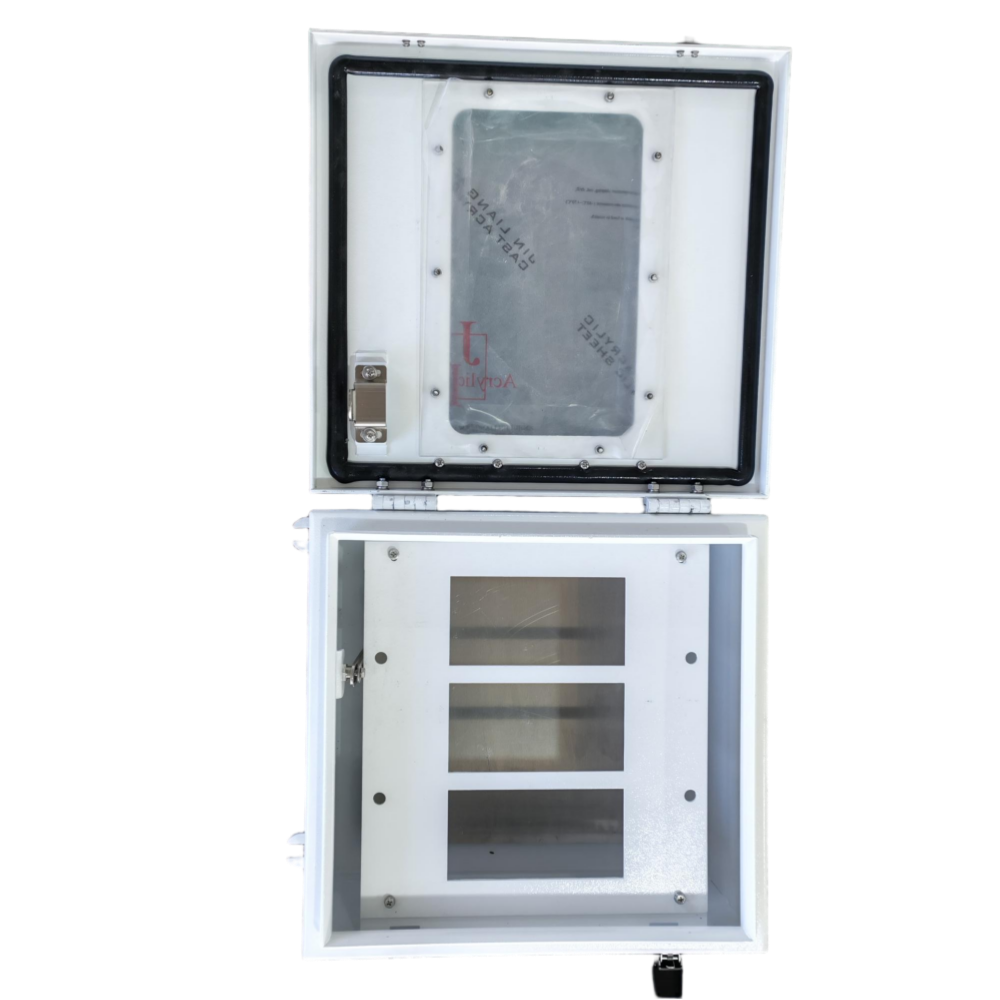
Class 2: Outdoor, industrial site, and clean workshop environments — the stainless steel instrument group
This product is designed for outdoor, industrial site, and clean workshop environments. It appears in chemical, petroleum, mining, food and pharmaceutical, municipal environmental protection, photovoltaic, agricultural irrigation, shipbuilding and marine engineering, power and new energy, rail transit, airport, research laboratory, warehousing and logistics, and telecommunications projects. In this class, corrosion resistance is the deciding factor: 304 stainless steel resists atmospheric and fresh-water corrosion, while 316 stainless steel resists salt spray and acid corrosion for coastal and chemical scenarios. Typical products are the Stainless Steel Junction Box / Maintenance Box (IP65), Wall-mounted Instrument Box (IP55), Multi-meter Cupboard (IP55), and Stainless Steel Pedestal box (IP55/IP65, 316 stainless steel).
Class 3: Indoor industrial workshops and control rooms — the console group
This product is designed for indoor industrial workshop or control room environments that are clean, non-corrosive, and equipped with air conditioning or ventilation systems. It operates in 24-hour continuous or intermittent operation mode, determined by internal industrial control equipment. Representative products are the Control Room Console, PLC Control Console, Industrial Operator Console, and Center Console — all rated IP54, fabricated from cold-rolled steel with phosphating derusting and electrostatic powder coating, and available with custom cutouts for displays, meters, buttons, and touch screens.
How the Enclosure Behaves in Operation
Across all three classes, the enclosure is a passive load-bearing structure. Yinlu's outdoor and industrial enclosures operate in a passive protective structure mode with no active moving parts; they only provide physical protection for internal devices, operating synchronously with internal equipment. This is why the internal system must be defined before the enclosure is specified.
Each enclosure requires a defined internal ecosystem. This product requires core supporting equipment such as pressure gauges, transmitters, digital meters, solenoid valves, terminal blocks, circuit breakers, sensors, and small PLC modules. It must be used with auxiliary supporting equipment such as cable glands, waterproof connectors, grounding bars, instrument brackets, heat dissipation louvers, dehumidifiers, and observation windows. Wall, pedestal, or floor mounting is available for Yinlu enclosure families.
Step-by-Step: How to Spec an Enclosure for Your Project
Use the following six steps to convert a project scenario into an enclosure specification.
- Classify the site environment. Determine whether the project is outdoor/semi-outdoor, an industrial site, a clean workshop, or an indoor control room. This determines which Yinlu product family applies.
- Set the ingress protection target. Use IEC 60529. For outdoor weather exposure with powerful water jets, specify IP66. For general outdoor rain and dust, IP55 or IP65 is common. For control rooms and dry workshops, IP54 is typical.
- Select the material from corrosion data. Use 304 stainless steel for atmospheric and fresh-water corrosion; use 316 stainless steel for salt spray and acid-base exposure in coastal or chemical scenarios. Use phosphated and powder-coated cold-rolled steel for general industrial and indoor environments.
- Choose the mounting method. Wall mounting suits compact equipment installations; pedestal mounting suits elevated instruments; floor-standing mounting suits large systems, 19-inch racks, and energy storage equipment.
- Define internals and auxiliary equipment. Specify DIN rails, mounting plates, grounding bars, 19-inch rails, cable glands, ventilation louvers, fans, dehumidifiers, and observation windows according to the internal component list.
- Freeze the customization list. Under Yinlu's OEM/ODM service, material, color, logo, size, IP rating, surface treatment, and cutouts and mounting can all be customized to the project.
Project Use Cases and Representative Enclosure Types
Outdoor communication, energy storage, and PV
The Stainless Steel Double-Door Outdoor Communication / Energy Storage Cabinet is rated IP65, uses 316 stainless steel with a brushed finish, and is floor-mounted. It features double doors with stainless steel handle locks, EPDM door-frame sealing, reliable grounding bonding between door and cabinet, built-in 19-inch mounting rails, an internal grounding bar, and pre-drilled knockout holes configurable with stainless steel waterproof cable glands. It is specified for communication base stations (5G/4G), energy storage power stations, outdoor photovoltaic systems, chemical industry parks, coastal ports, offshore platforms, and sewage treatment plants.
Coastal and chemical instrumentation
The Wall-mounted Instrument Box and Multi-meter Cupboard are rated IP55 with 2.0mm brushed stainless steel; the Stainless Steel Junction Box / Maintenance Box is rated IP65. All support custom cutouts for instrument windows, button and indicator holes, meter mounting holes, and sensor ports. The 304 grade resists atmospheric and fresh-water corrosion; the 316 grade resists salt spray and acid corrosion, making the series a common choice for chemical, petroleum, water treatment, food and pharmaceutical, and municipal projects.
Factory automation, PLC, and SCADA stations
The PLC Electrical Enclosure is rated IP54, uses 2.0mm cold-rolled steel, RAL7035 powder coating, a single-door design with stainless steel handle lock, and an EPDM sealing strip. Its internal configuration is compatible with 19-inch racks, industrial PCs, HMI touch screens, PLCs, switches, power modules, terminal blocks, and DIN rails. The Free Standing Modular Enclosure (YL0923-3) adds a multi-compartment structure with a transparent front viewing window and side or rear equipment doors for maintenance.
Control rooms, dispatch centers, and monitoring rooms
Yinlu's control consoles — including the PLC Control Console and Industrial Operator Console — are rated IP54 and built from cold-rolled steel (SPCC) with 2.0–3.0mm thickness. They include sloped operation areas, separate strong/weak current cable ducts, louvered ventilation, V-0 flame retardant materials, and grounding resistance ≤4Ω. Custom cutouts integrate displays, touch screens, meters, buttons, indicators, and dispatch telephones.
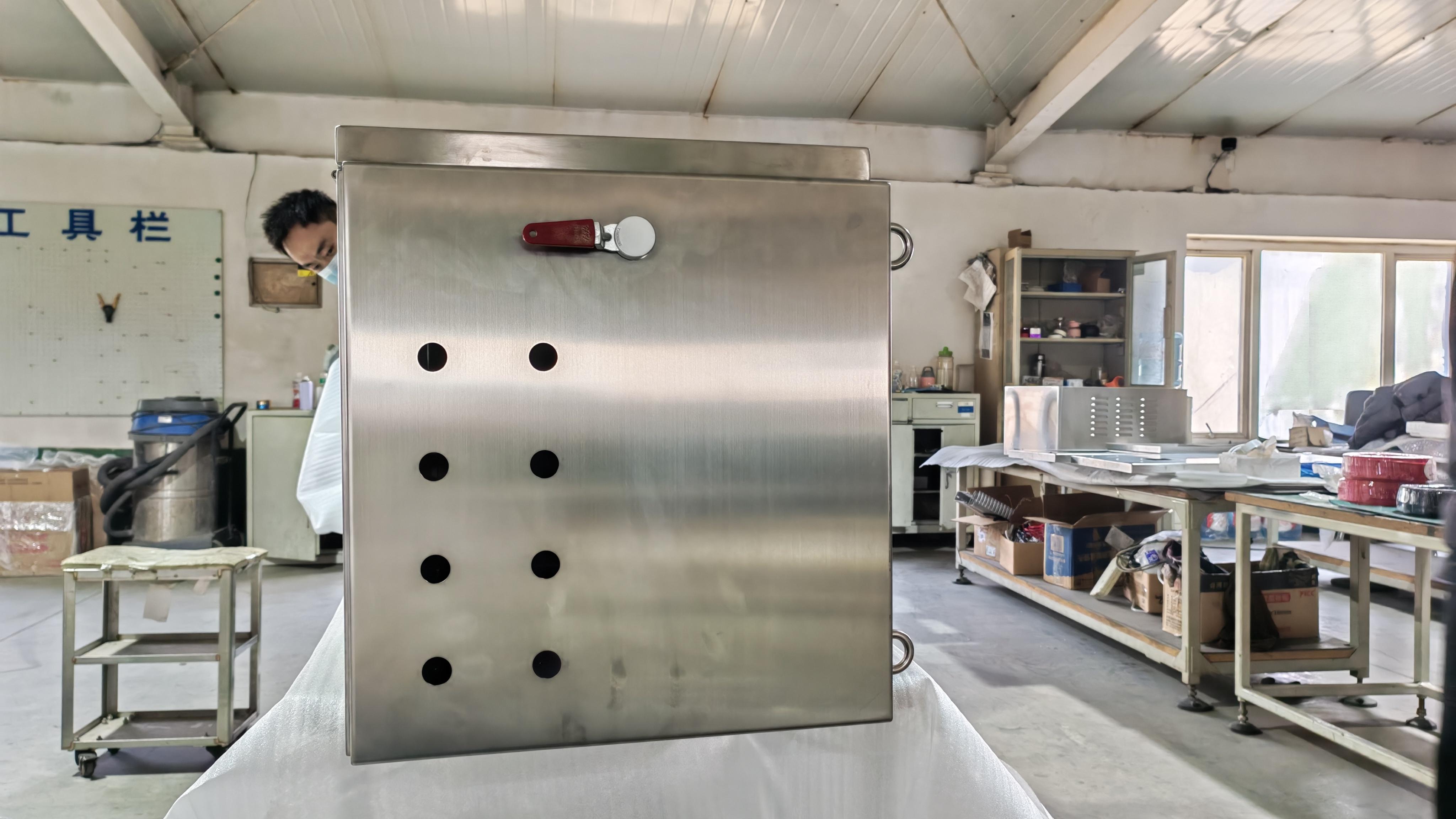
Project proof: analytical instruments, rail transit, and heavy industry
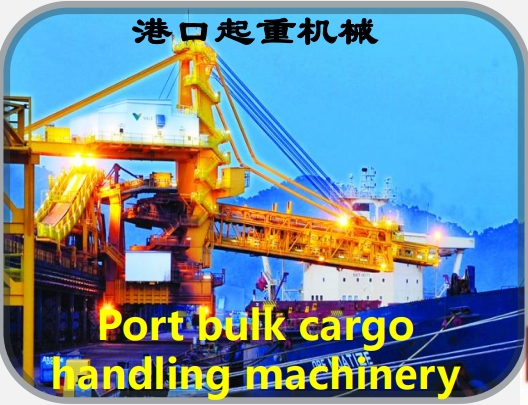
Yinlu has executed scenario-specific enclosure projects across industries. For ABB, Yinlu produced the ABB PGC5000 Series Gas Chromatograph Enclosure (model YL0911, 200 units) with IP65 protection, 24 sockets, tamper-resistant locking, and RAL7035 powder coating. For CRRC, Yinlu delivered 2,000 units of custom control panels for the Nagpur Metro project in India. For DHHI, Yinlu supplied 1,000 units of electrical control enclosures and cabinets for port cargo handling machinery, coke oven machinery, and stacker-reclaimers. For PACRAFT in Japan, Yinlu delivered 1,000 units of stainless steel non-standard custom enclosures with 304/316 stainless steel and IP55–IP67 protection.
Scenario Comparison Table
| Project scenario | Recommended enclosure | Protection | Material | Mounting |
|---|---|---|---|---|
| Outdoor PV combiner, hydrological monitoring, street light control | Outdoor Weatherproof Control Enclosure | IP66 | Stainless steel | Wall-mounted |
| Communication base station, energy storage, coastal outdoor | Stainless Steel Double-Door Outdoor Communication / Energy Storage Cabinet | IP65 | 316 stainless steel | Floor-mounted |
| Outdoor or semi-outdoor industrial control, 5G/4G, security | Rittal-style Free-standing Outdoor Control Cabinet | IP55 / IP65 | Cold-rolled steel, powder coated | Floor-standing |
| Factory automation, PLC, HMI, SCADA stations | PLC Electrical Enclosure | IP54 | Cold-rolled steel, RAL7035 | Floor-standing |
| Chemical, water, food and pharmaceutical instrumentation | Stainless Steel Junction Box / Wall-mounted Instrument Box | IP55 / IP65 | 304 / 316 stainless steel | Wall-mounted / pedestal |
| Control room, dispatch center, equipment monitoring | PLC Control Console / Industrial Operator Console | IP54 | Cold-rolled steel | Floor-standing |
| Non-standard equipment protection, custom sizes and cutouts | Stainless Steel Non-Standard Custom Enclosure | IP65 | Stainless steel | Floor-mounted |
Frequently Asked Questions
Q1: What IP rating does an outdoor electrical enclosure need?
For outdoor projects exposed to rain, dust, and powerful water jets, the commonly specified protection level is IP66. Under IEC 60529, IP66 requires no ingress of dust and protection against powerful water jets. Yinlu offers the Outdoor Weatherproof Control Enclosure with an IP66 rating for wall-mounted outdoor applications such as PV combiner boxes, water conservancy and hydrological monitoring, communication base stations, oilfield and mining instrumentation, and street light control. Where the site does not require powerful water-jet resistance, IP55 or IP65 cabinets — for example, Yinlu's Stainless Steel Double-Door Outdoor Communication / Energy Storage Cabinet (IP65) or Rittal-style Free-standing Outdoor Control Cabinet (IP55/IP65) — are also available.
Q2: Can Yinlu customize an electrical enclosure to fit a specific project scenario?
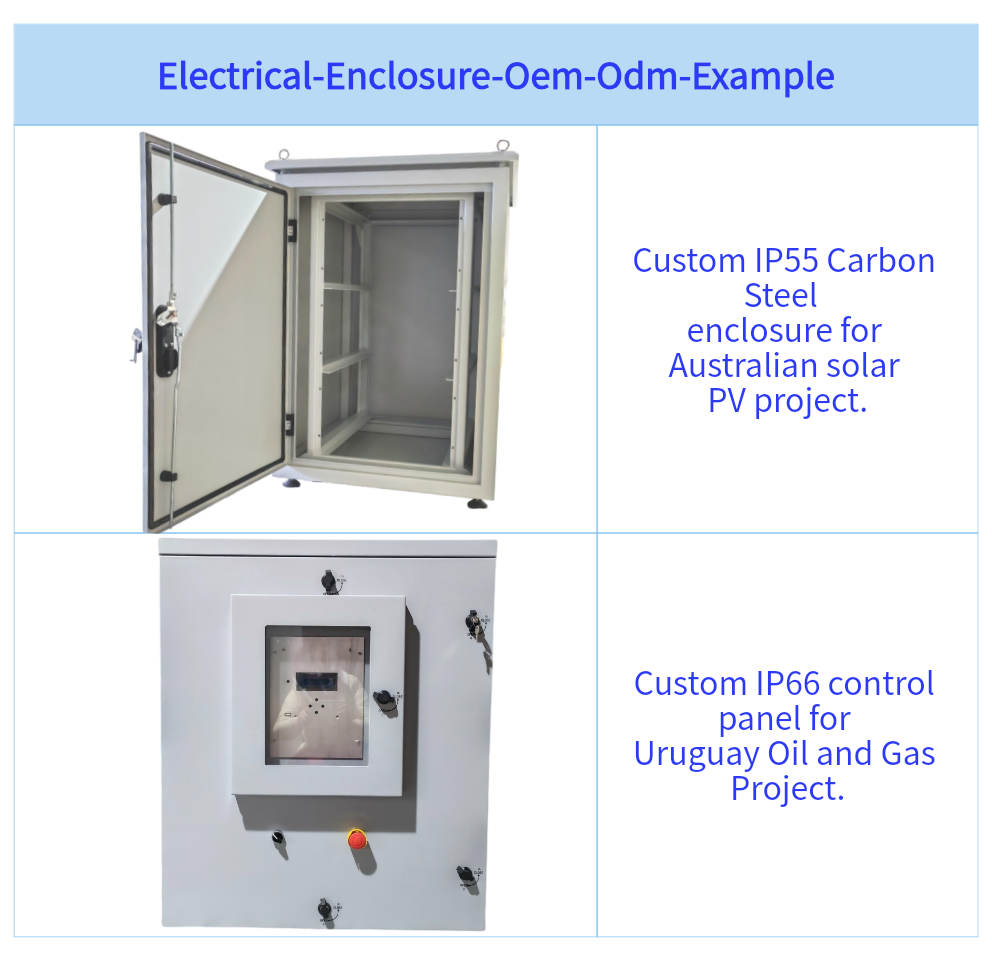
Yes. Yinlu operates in OEM and ODM production modes and customizes material, color, logo, size, IP rating, surface treatment, and cutouts and mounting. The Dalian factory has a production area of 5,000 m², a team of 60 employees, six R&D staff, and an annual output of 20,000 units; exports account for 80% of production, mainly to North America, Europe, Oceania, and high-end Asia-Pacific markets. Examples of scenario-specific projects include the ABB PGC5000 Series Gas Chromatograph Enclosure (model YL0911, 200 units), control panels for the Nagpur Metro project (CRRC, 2,000 units), and stainless steel non-standard enclosures for PACRAFT in Japan (1,000 units).
Q3: When should I choose a stainless steel enclosure over a powder-coated carbon steel enclosure?
Choose 304 stainless steel when the enclosure will face atmospheric or fresh-water corrosion in outdoor, industrial, or clean workshop environments. Choose 316 stainless steel for coastal sites, salt spray, and acid-base chemical exposure; 316 resists salt spray and acid corrosion. Powder-coated cold-rolled steel — with phosphating derusting and electrostatic powder coating — is suitable for general industrial environments and indoor control rooms, where it offers wear resistance and anti-rust performance at lower material cost. An honest trade-off: stainless steel costs more and is harder to fabricate, so for dry indoor applications it adds cost without functional benefit.
Q4: What is the MOQ, and how is quality controlled on custom enclosure orders?
Yinlu's MOQ is 1–5 units, which makes scenario-specific customization practical even for pilot projects. Monthly capacity is 2,000 units. Quality control covers visual inspection, wiring, function, safety, sealing, and packaging. The company holds ISO 9001 certification, and after-sales support includes 7×24 hour online response with a 1-year warranty. For a budget estimate, send the site environment, internal component list, and target IP rating; the engineering team can confirm which material and customization options match the project cost envelope.
Q5: What is the lead time, and how can I request a sample or quote?
Lead time is negotiable and depends on customization scope, batch size, and the current production schedule. To start the process, contact Yinlu's sales team directly: Eric — Sales@innometalfab.com, Tel/WhatsApp +86 186-2435-1618. Include your project scenario, enclosure dimensions, IP rating, material preference, and required quantity. You can also download the Yinlu company brochure (PDF) for an overview of product lines and capabilities. Yinlu welcomes OEM and ODM orders and provides samples and quotations for evaluation.
Conclusion
Electrical enclosure selection for projects is an engineering exercise, not a catalog exercise. Classify the site environment, set the IP target with IEC 60529, choose the material from corrosion data, confirm the mounting method, and then use OEM/ODM customization to close the remaining gaps. Yinlu — Dalian Yinlu Electrical Control Equipment Manufacturer — supplies the product range, ISO 9001-certified quality system, and customization capacity to execute this process for outdoor, industrial, and control-room projects.
Get a project-matched enclosure specification
Contact Yinlu to turn your site conditions into an enclosure drawing and quotation.
Email: Sales@innometalfab.com
Tel / WhatsApp: +86 186-2435-1618
Website: https://www.innometalfab.com/
Brochure: Download Yinlu company brochure (PDF)
Have Questions or Need More Details?
Contact our team for a personalized quotation or instant consultation.
Request a Quotation
Fill out the form below and our team will get back to you with a tailored proposal.
WhatsApp Direct Chat
Prefer to chat in real-time? Message us on WhatsApp for instant assistance & quick answers.
- Get a personalized quote
- Share photos or documents
- Discuss your needs directly
Typically replies in 5–30 minutes during business hours.