Chinese OEM vs. International Brands: A Comparative Guide for Sourcing Custom Electrical Enclosures in 2026
Introduction: Navigating the Global Electrical Enclosure Market
Industrial buyers sourcing custom electrical enclosures in 2026 face a critical decision: choose a Chinese OEM like Dalian Yinlu Electrical Control Equipment Manufacturer (Yinlu), or rely on established international brands such as Rittal GmbH & Co. KG or Schneider Electric. Each path offers distinct advantages in cost, customization, lead time, and service. This comparative guide provides a structured analysis to help procurement professionals make an informed decision based on technical requirements, project constraints, and long-term operational costs.
1. Product Comparison: Yinlu Custom Enclosure vs. Rittal Standard Enclosure
To illustrate the differences, we compare a representative custom solution from Yinlu—the Stainless Steel Double-Door Outdoor Cabinet (model: customizable)—against a typical off‑the‑shelf Rittal outdoor enclosure (e.g., Rittal TS 8 series). Both products are designed for outdoor or harsh industrial environments.
| Dimension | Yinlu Custom Enclosure | Rittal Standard Enclosure |
|---|---|---|
| Technical Parameters | Material: 304/316 stainless steel; thickness: 1.5–2.0 mm; protection rating: IP65; surface: brushed finish; installation: floor‑mounted; operating temperature: -20°C to +60°C; UV‑resistant, anti‑aging, acid rain‑proof. | Material: sheet steel or stainless steel; thickness: 1.5–2.0 mm; protection rating: IP66; surface: powder‑coated; installation: floor‑mounted; operating temperature: -15°C to +55°C; UV‑resistant (optional). |
| Applicable Scenarios | Outdoor harsh environments: chemical, petroleum, mining, coastal areas, communication base stations, energy storage, photovoltaic, water treatment. | Outdoor industrial applications: electronics, automation, energy distribution, telecommunications. |
| Cost | Lower unit cost (factory‑direct pricing); flexible MOQ (1–5 units); optimized total cost of ownership (TCO) through durable design and reduced maintenance. | Higher unit cost due to brand premium; often requires bulk orders for price breaks; higher spare‑parts lifecycle cost. |
| Maintenance Difficulty | Easy‑access design with quick component replacement; corrosion‑resistant materials reduce wear; built‑in grounding busbar and separate cable ducts simplify maintenance. | Modular construction allows easy expansion; but proprietary parts may increase maintenance complexity and cost. |
Sources: Yinlu product specifications (stainless steel double‑door outdoor cabinet, IP65, UV‑resistant) and publicly available Rittal TS 8 technical data.
2. Supplier Comparison: Yinlu (Chinese OEM) vs. Rittal (International Brand)
When selecting a partner, buyers must weigh capabilities across four critical dimensions:
- Price: Yinlu offers 30–50% lower pricing than comparable Rittal models because of lower labor and overhead costs. For example, a custom stainless steel cabinet (IP65, 1200×800×400 mm) from Yinlu typically costs $500–$800 FOB, while a similar Rittal standard enclosure could cost $1,200–$2,000 USD list.
- Customization Capability: Yinlu provides 100% non‑standard customization—material, color, logo, size, IP rating, cutouts, and mounting options. Rittal offers modular customization but with limited non‑standard changes and longer lead times.
- Delivery Lead Time: Yinlu’s lead time is 15–30 days for most custom orders, with an annual capacity of 20,000 units. Rittal standard enclosures ship in 5–15 days, but custom orders can take 6–12 weeks depending on factory load.
- After‑Sales Network: Rittal has a global network of service centers and distributors. Yinlu provides 7×24 online support, a 1‑year warranty, and remote troubleshooting, but relies on logistics partners for on‑site service in remote regions.
For buyers who prioritize fast, flexible customization and cost control, a Chinese OEM like Yinlu is often the better fit. For projects requiring immediate local service and brand‑specific compliance, international brands remain advantageous.
3. Decision Model: A 3‑Step Framework for Selecting the Right Enclosure Supplier
To avoid costly mistakes, apply this three‑step decision process:
- Define the Use Scenario: Identify the operating environment (outdoor vs. indoor, corrosive, high‑dust, high‑humidity, extreme temperatures). For example, a chemical processing plant in a coastal area demands 316 stainless steel with IP65/IP66 protection.
- Match Technical Parameters: Cross‑reference required protection rating (IP55/IP65/IP67), material (304/316 stainless steel, cold‑rolled steel with powder coating), mounting method (wall‑mounted, floor‑standing, pedestal), internal configuration (DIN rails, mounting plates, cable management), and any special cutouts or certifications (CE, ISO 9001).
- Calculate Total Cost of Ownership (TCO): Include not only the purchase price but also installation, energy consumption, maintenance frequency, spare‑part availability, and expected product lifespan (8–15 years for durable designs). Yinlu’s industrial‑grade design, lower maintenance frequency, and corrosion‑resistant materials contribute to a TCO that is often 20–30% lower than international alternatives over a 10‑year lifecycle.
4. Case Study: Yinlu’s Custom Enclosure for ABB PGC5000 Series Gas Chromatograph
A real‑world example illustrates the benefits of choosing a Chinese OEM. In 2022, ABB (a global technology leader) needed a dedicated protective enclosure for its PGC5000 series gas chromatograph. The enclosure had to provide high‑strength physical protection and environmental isolation for precision analysis modules, detectors, and control units, while enabling neat cable routing and maintenance access. The project required strict compliance with CE standards and a tight delivery timeline.
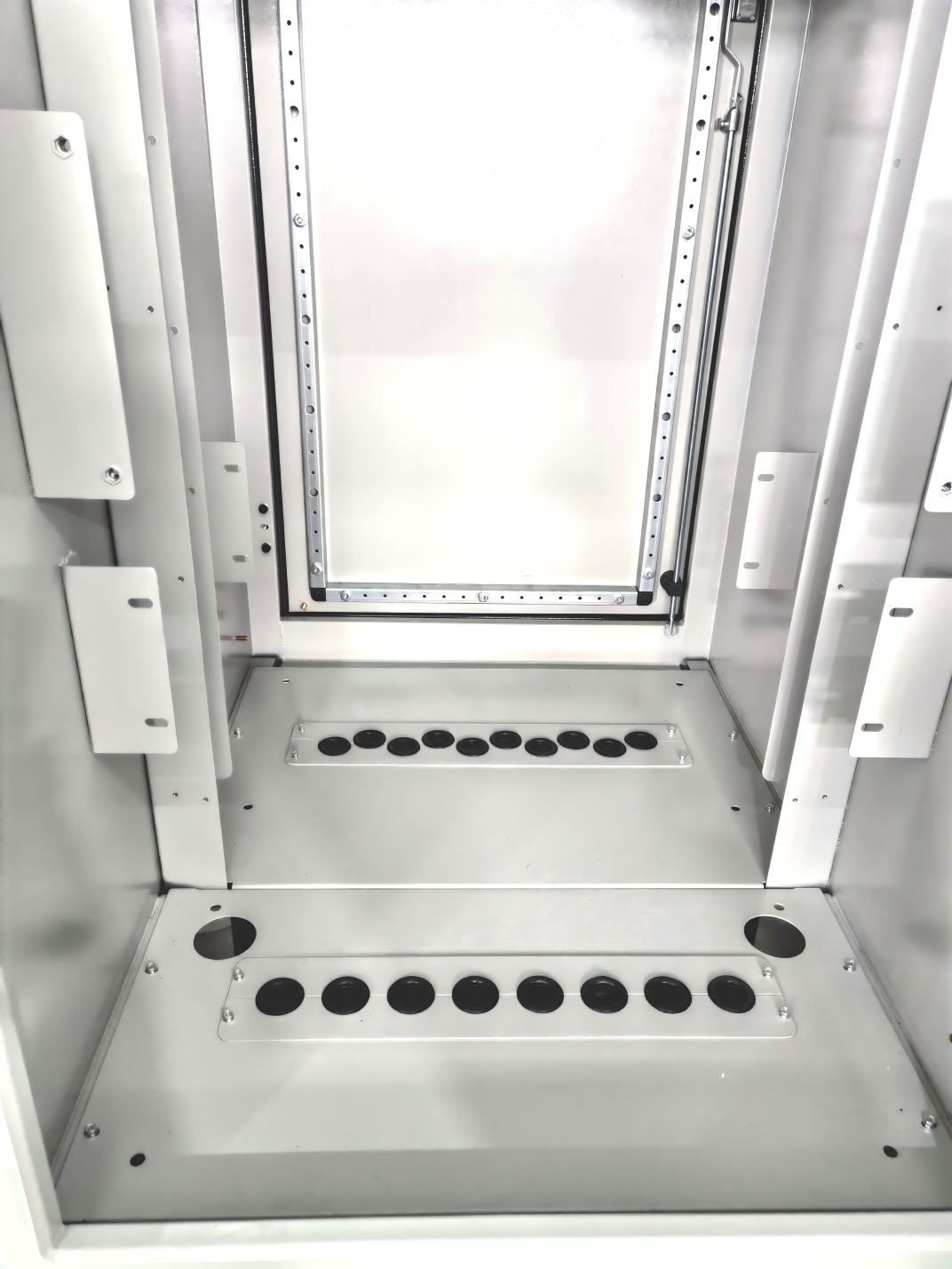
Yinlu was selected as the supplier. They customized the enclosure using 304 stainless steel with a brushed finish, achieving IP65 protection. The door structure featured a double‑door design with a stainless‑steel handle lock and EPDM sealing strip. Internal configuration included 19‑inch mounting rails, grounding busbars, and pre‑drilled knockout holes for waterproof cable glands. The final product passed factory testing including power‑on functional, insulation resistance, and withstand voltage tests.
Results: ABB received 200 units that precisely matched the chromatograph’s dimensions and interface requirements. The lead time was 25 days—40% shorter than initially estimated by ABB’s internal procurement team. The total cost was 35% lower than comparable proposals from European suppliers. Over two years of operation, the enclosures have demonstrated excellent durability in outdoor chemical plant environments, with zero maintenance‑related downtime reported.
Conclusion
Selecting a custom electrical enclosure provider does not have to be a binary choice between Chinese OEMs and international brands. By systematically evaluating product specifications, supplier capabilities, and total lifecycle costs, industrial buyers can identify the optimal partner for their specific application. For demanding projects that demand customization, cost efficiency, and fast delivery, Chinese manufacturers like Yinlu offer competitive solutions backed by certifications (CE, ISO 9001:2015) and proven industrial expertise.
Download the complete company brochure for detailed product specifications and capabilities:
Have Questions or Need More Details?
Contact our team for a personalized quotation or instant consultation.
Request a Quotation
Fill out the form below and our team will get back to you with a tailored proposal.
WhatsApp Direct Chat
Prefer to chat in real-time? Message us on WhatsApp for instant assistance & quick answers.
- Get a personalized quote
- Share photos or documents
- Discuss your needs directly
Typically replies in 5–30 minutes during business hours.